Fordβs UEV platform will feature Apple Maps built in


For decades, buying a luxury SUV usually meant choosing between BMW, Mercedes-Benz, or Audi. But rising prices and higher ownership costs are giving buyers a reason to look elsewhere.

Compact SUVs may be practical, but a lot of them are honestly quite boring. Despite their dull driving dynamics, they remain some of the most popular vehicles on the road. This boils down to the simple fact that people value practicality above most other things in their lives. Whether you're starting a family or hauling lots of equipment all the time, compact SUVs offer space that more entertaining cars simply don't.

The all-new 2026 Mazda CX-5 may be grabbing the headlines, but the SUV it replaced has one major advantage: a proven track record. More than a decade after it launched, the 2015 model continues to stand out as one of the most dependable compact SUVs you can buy used.


Tesla posted its financial statement for the second quarter of the year this afternoon. Earlier in July, we learned that the American automaker had had a good quarter in terms of sales, growing 25 percent year over year. Fans hoping that sales increase would result in a plenty profitable Tesla may be disappointed, though. Revenues are up but so are expenses, and the company's once-enviable double-digit profit margin has fallen to just 1.4 percent.
Tesla brought in $20.5 billion from its electric vehicle business, a 23 percent increase year over year, and just $146 million came from automotive regulatory credits. Credits have been a key to Tesla's profitability in previous challenging quarters, but they were abolished in the United States with Musk's blessing in 2025.
There was growth from its energy and storage business, which grew 13 percent year over year to revenues of $3.1 billion, but the most growth was in Tesla's services, which doubled, bringing in $4.6 billion. Tesla's shift from a one-time purchase to a monthly subscription for its much-criticized FSD partially automated driver assistβsomething tied to CEO Elon Musk's gargantuan remuneration packageβwas a big help here.


Β© Getty / Aurich
Plug-in hybrids promise the best of both worlds, but they only deliver their biggest benefits if you remember to charge them regularly.

Choosing a three-row SUV isn't just about passenger space anymore. For many families, long-term reliability is just as important as comfort, especially when repairs on larger, more complex vehicles can quickly become expensive.


With crossovers dominating the market, it's easy to overlook the advantages that a traditional family sedan still offers. For buyers who prioritize comfort, fuel economy, and long-distance refinement, a well-executed hybrid sedan can often deliver a better ownership experience while costing less to buy and run.


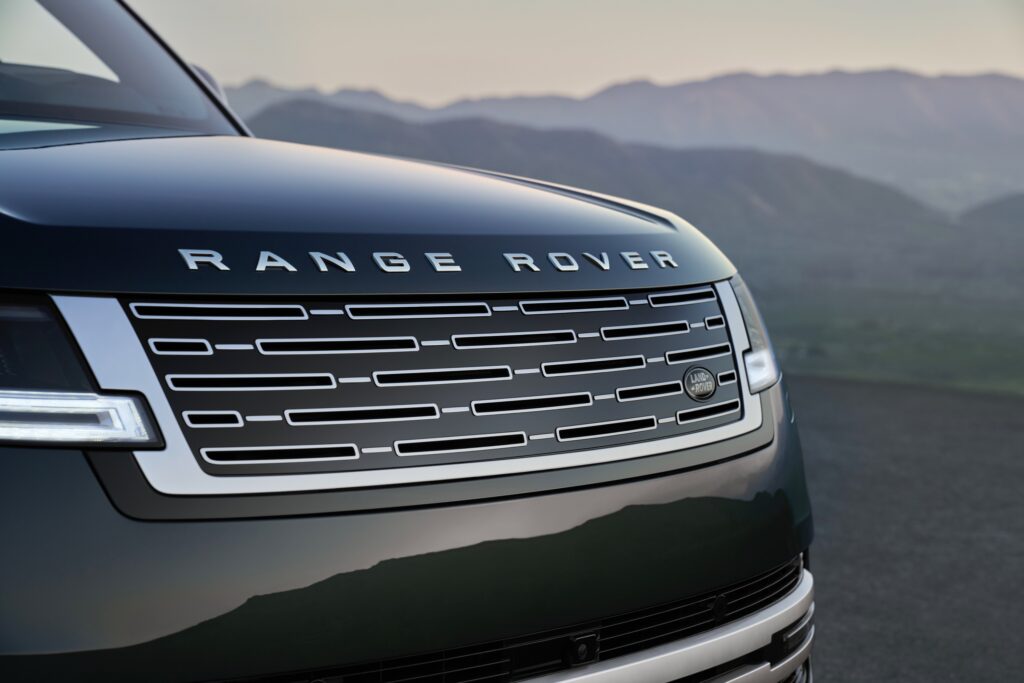
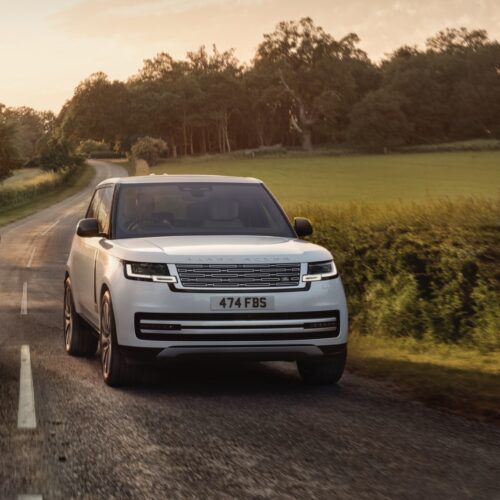
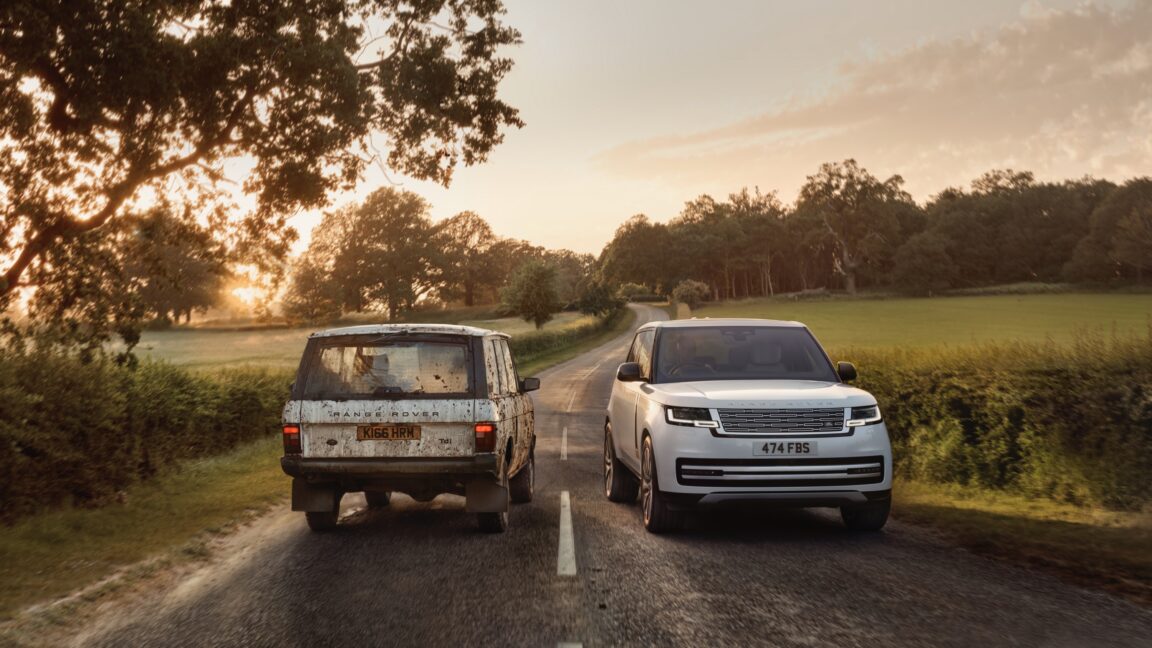
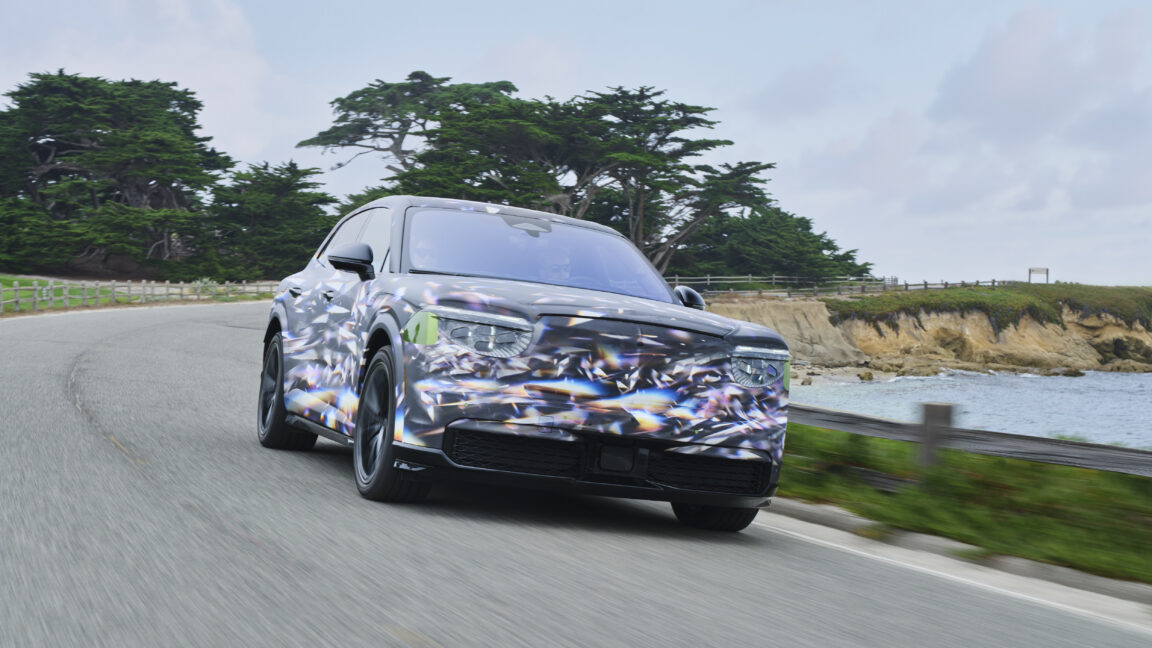
WOLVERHAMPTON, EnglandβOne can argue about whether or not Range Rover invented the luxury SUV category, but there's no question that since the first Range Rover went on sale in 1970, the brand has made itself the standard that other luxury SUVs have to measure against. But what if Range Rover built something that wasn't an SUV?
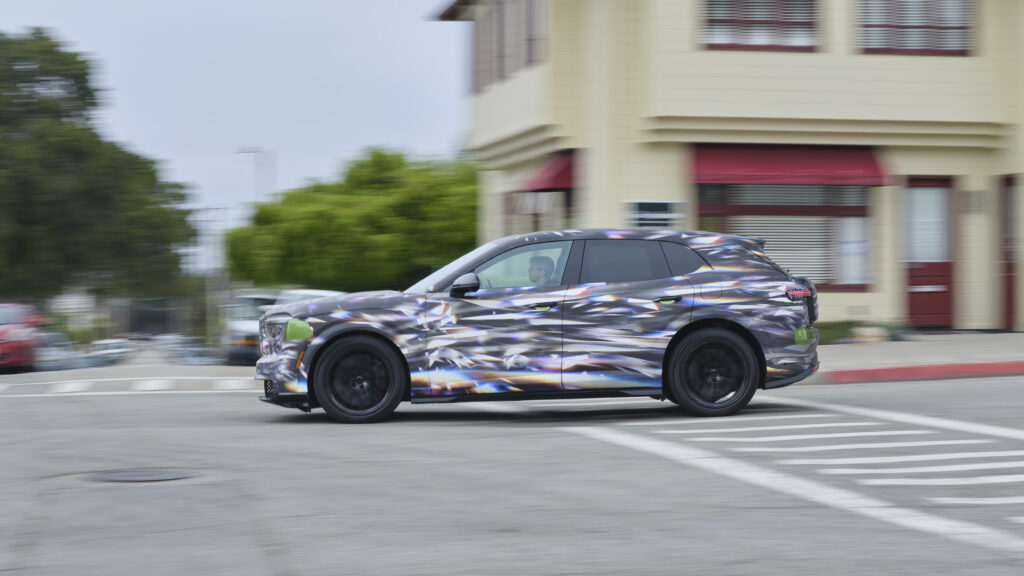
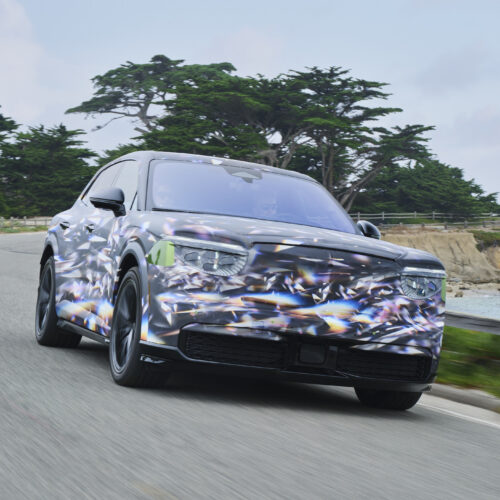
That's exactly what it's doing with the new Range Rover GT. Spy shots have been circulating for at least a year of what was believed to be an all-electric replacement for the Range Rover Velar. It turns out that was a misapprehension; the heavily camouflaged prototypes were examples of the Range Rover GT being tested at the NΓΌrburgring and the Arctic Circle.
Will this be Range Rover's answer to the Lucid Air and Porsche Taycan?
Credit:
Range Rover
Range Rover still isn't ready to reveal an uncamouflaged GT, but the car you see is much less disguised than the boxy-looking prototypes seen in earlier spy shots.


Β© Range Rover
The last year has been a roller-coaster for those competing in the world of electric vehicles. From tariffs to the removal of the federal tax incentive for EVs, demand for electric vehicles has slowed down drastically. For those that invested the most, like Honda, this turbulence has been quite costly. Now it has officially claimed another victim.

The luxury SUV market is full of expensive options, but not every buyer wants to pay a premium price for a premium badge. More shoppers are looking for vehicles that deliver comfort, technology, and refinement without the long-term costs associated with traditional luxury brands.

Do you use your vehicleβs app to preβcool the cabin on a scorching day, confirm the doors are locked from bed, or have the car automatically call for help when the airbags go off?
Savor those connected, cloudβbased conveniences while you canβthe clock is already ticking on their obsolescence. In a few short years, you may be driving todayβs vehicle without many of the features you currently enjoy.
"Connected services"βcloud-based and networked features that let a vehicle communicate with external systems to deliver apps, data, and remote functions to drivers and passengersβhave been around since the 1990s, when GM introduced OnStar as an option. Those early systems were mostly voiceβcentric, but they still depended on centralized backβend systems. Modern versions, which are fully data-driven and cloud-hosted, use much more sophisticated over-the-air data links to allow a considerably better feature set.


Β© Aurich Lawson | Getty Images
NEWPORT BEACH, Calif.βAlthough it sometimes feels like automakers have all but abandoned everything other than high-end luxury model vehicles, it's not universally true. While some car companies have lobbied the government, terrified, asking to build protective walls to fend off cheap Chinese competition, others have looked at the problem from a different angle, trying to meet the moment. One such effort is the new Kia Seltos, a small SUV that takes inspiration from the Telluride but with a starting price of just $24,990 plus delivery charge.
The US almost didn't get the Seltos in the first place; the first-generation model was designed with China in mind. Seltos take two is more considered, and also a little more substantial. The new body with its Telluride-like design cues has been stretched, mostly in the wheelbase. That said, at 174.4 inches (4,430 mm) long, 72 inches (1,829 mm) wide, and 64.9 inches (1,648 mm) tall, it's still a subcompact, one segment smaller than something like a Toyota RAV4 or Mazda CX-5.
Kia is offering a choice of three different powertrain variants. The 1.6 L hybrid is the one we're most interested in. But that version won't be in showrooms until Q4 this year; don't expect an Ars first drive of the hybrid Seltos until early next year. Or any other details in this first drive reportβthe hybrid Seltos is still undergoing its EPA certification, and Kia isn't prepared to talk power, torque, or efficiency until that's done and dusted.


Β© Kia
Buying a used luxury SUV can feel like a gamble. Some become expensive headaches the moment the factory warranty expires.


As the second quarter of the year comes to a close, sales figures from automakers have flooded in. In a turbulent year, there have been a lot of surprise wins and disappointing losses. However, in the world of luxury vehicles, there is one nameplate that continues to hold on to its dominance.