❌

Reading view

There are new articles available, click to refresh the page.

Team uses AlphaFold AI to redesign gene-editing proteins to make them safer

A couple of decades after the discovery of systems that could selectively target DNA, we're starting to see the first therapies based on gene editing. One challenge these developments have faced is safety. While we can make them pretty specific to the gene we want edited, the human genome is very large, and even rare DNA sequences can appear a couple of times by chance.

As a result, all the original gene-editing systems had known rates of what are called off-target effects, in which they simply edit the wrong sequence. This may be a low-probability event, but edit enough cellsβ€”and therapies generally have to edit manyβ€”and errors become inevitable.

A lot of effort has gone into finding ways to minimize or eliminate off-target edits. In a recent issue of Nature, researchers described modifying the AI protein-folding software AlphaFold to help identify key areas of gene-editing proteins responsible for off-target effects. Those areas were then modified to reduce the problems.


Read full article

Comments

Β© Anton Vierietin

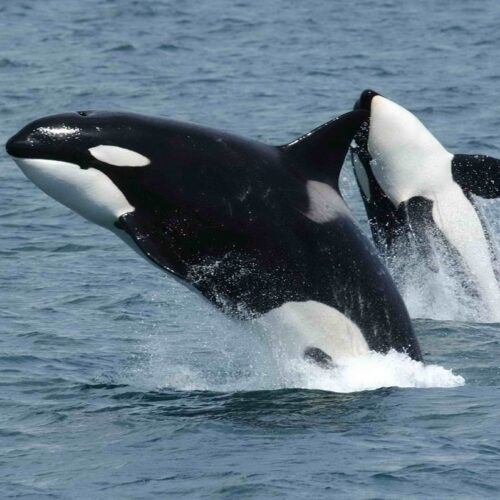
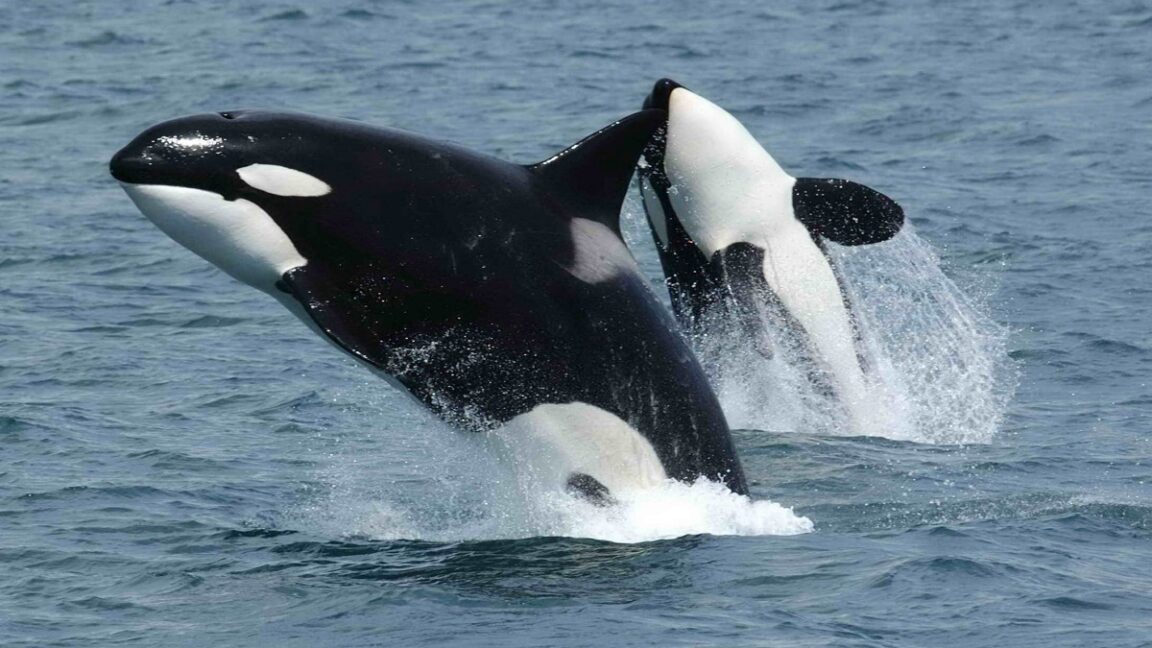
Watch orcas ram a sunfish so hard it explodes

Credit: Kathryn Ayres

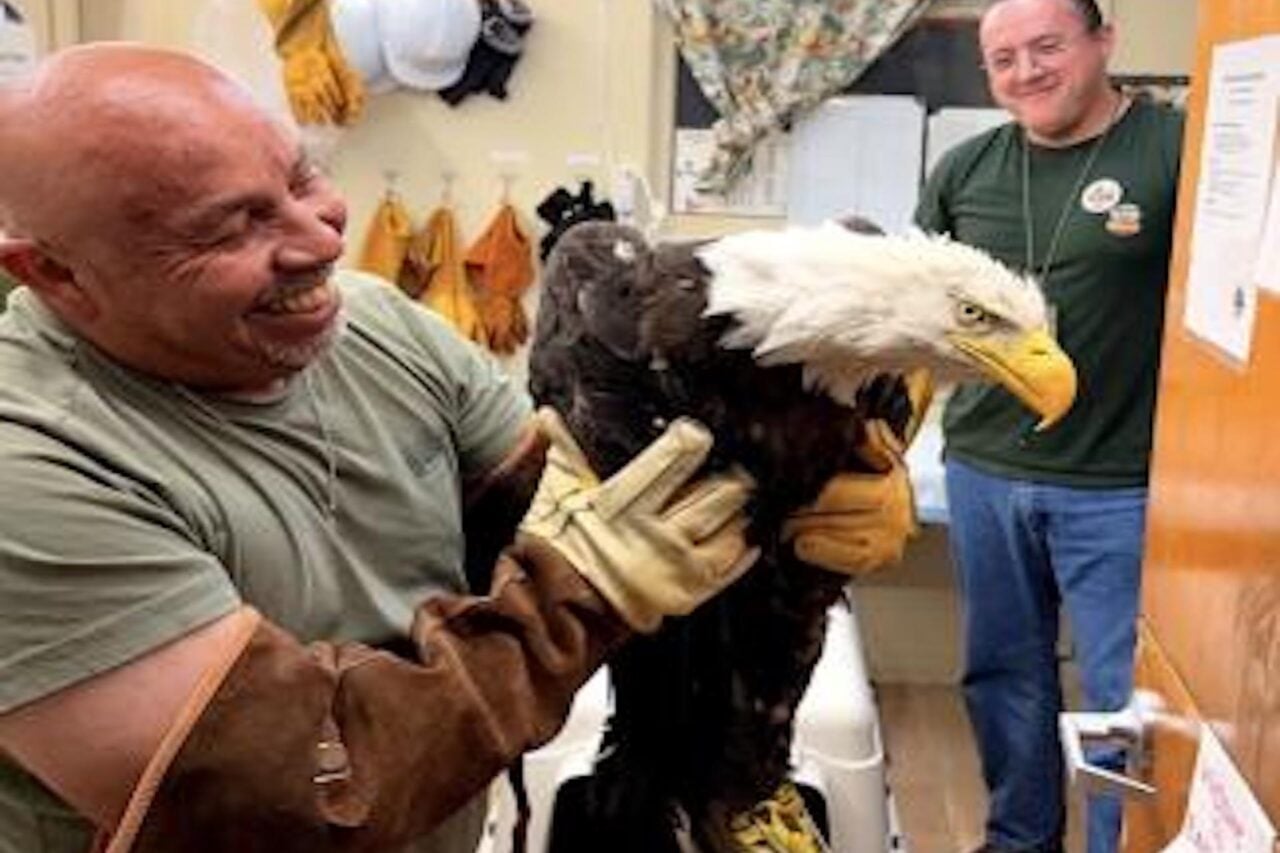
There have been numerous accounts in recent years of orcas ramming boatsβ€”and sometimes sinking them. Scientists believe this may be a form of culturally learned behavior passed down through generations. Now we have fresh examples: orcas in the Gulf of California were filmed teaming up to ram sunfish with so much force that the carcasses exploded into small fragments. While orcas have been known to use force to remove flesh from prey, this is something different, according to a new paper published in the journal Frontiers in Ethology.

β€œWe think this may help younger orcas feed more easily, or it could also just be for fun," said co-author Kathryn Ayres of Beneath The Waves, a nonprofit organization promoting ocean health. "Orcas are known for playing with their food.”

Orcas engage in cooperative hunting strategies that can involve striking or killing animalsβ€”sometimes eating their prey, sometimes notβ€”so the behavior could be described as social interaction, play, or practice as a mode of social learning. Orcas have been observed ramming whale sharks as another orca held the prey steady. Other cooperative strategies include herding mobile rays, blocking an escape path while hunting white sharks, and deliberately producing waves to bump penguins off ice floes.

Read full article

Comments

Β© Robert Pittman, NOAA/Public domain

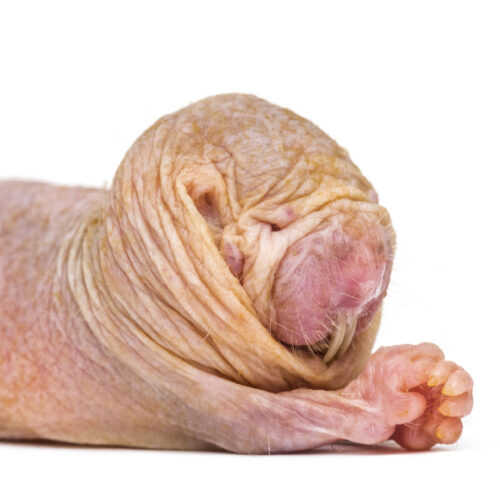
Naked mole-rat queens use a chemical signal to suppress fertility in rivals

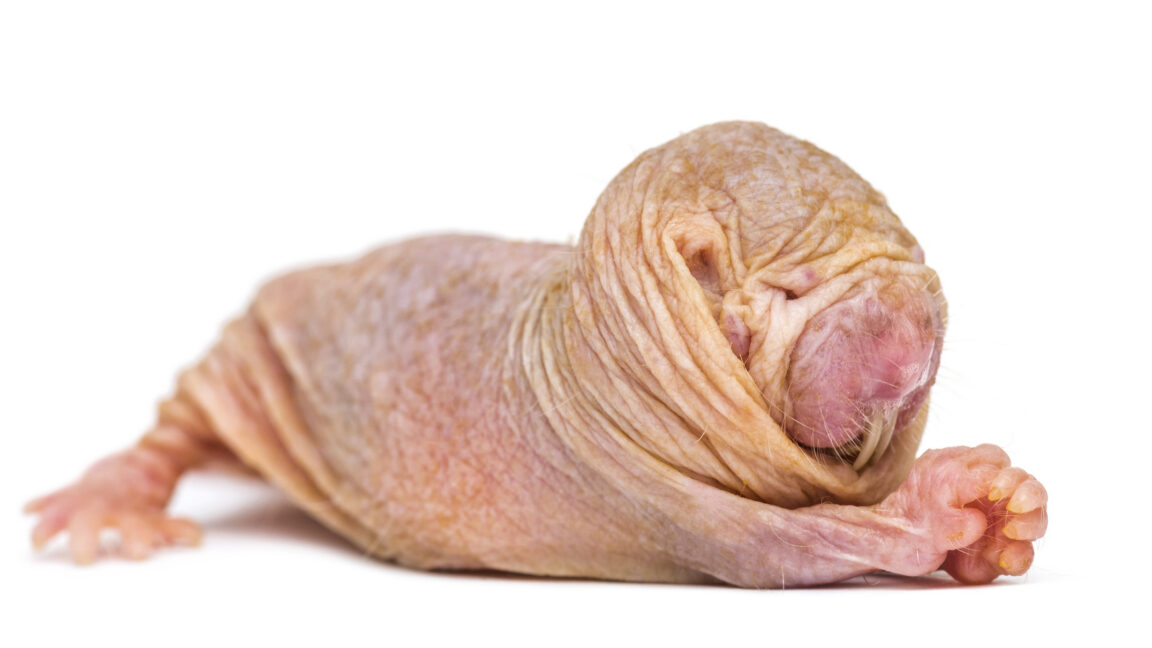
Naked mole rats are weird. They spend their lives almost entirely underground, are largely insensitive to some kinds of pain, can persist without oxygen for a long time, rarely develop cancer, and can live past 30 years, which is decades longer than similarly sized rodents. They are also eusocial, like ants, bees, or termitesβ€”in a colony that can hold more than a hundred animals, only one female, the queen, breeds.

We didn’t know how exactly naked mole-rat queens stop other females from breeding. For a long time, our leading hypothesis was bullying and violence, but that may be a bit impractical, given their kingdoms are vast networks of tunnels that can stretch for up to three kilometers. But now a team of Lewin Lab scientists at Max DelbrΓΌck Center for Molecular Medicine in Berlin discovered it’s actually just one part of a sophisticated olfactory signaling program.

Running on smell

"It's very clear that mole rats actually have quite big noses and smell a lot," says Gary Lewin, a neurobiologist at the Max DelbrΓΌck Center for Molecular Medicine and senior author of the study. Naked mole rats have around 1200 olfactory receptor genes, more than mice (which have roughly 1,000 of them) and way more than the few hundred in humans. They're also blind. "They have to be able to navigate and move around without vision, so smell is one of those things that’s enhanced," Lewin said.

Read full article

Comments

Β© imageBROKER/Eric Isselee

Dragonflies maneuver like fighter pilots

Credit: Samuel T. Fabian et al., 2026

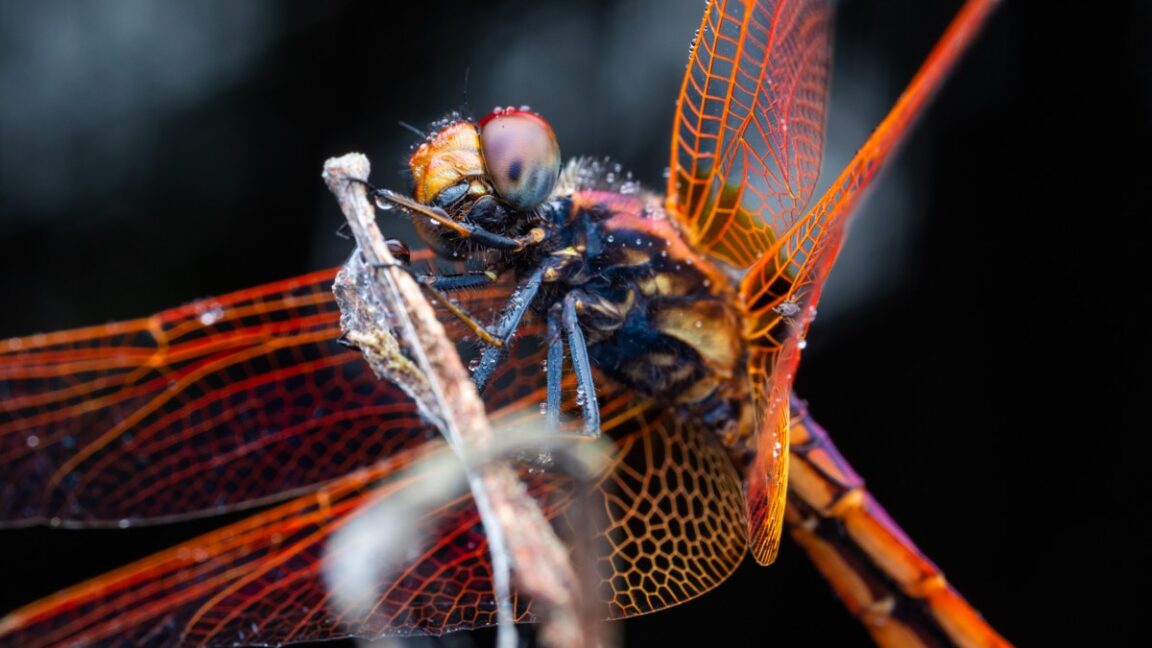
Male dragonflies are known to engage in mid-air "dogfights" to defend their breeding territory, using different maneuvers than those they employ when hunting prey. A new paper published in the Journal of the Royal Society Interface concluded that relatively simple rules drive that behavior, namely that male dragonflies are trying to maintain a tactical position. This mirrors the tactics of human fighter pilots. The research could lead to the development of smarter drones capable of navigating with simple, vision-based guidance rather than complex computation.

Classic pursuits involving prey or mating rituals are asymmetric: there is a chaser and an evader, with each role requiring different maneuvers. In the case of male-on-male interactions, however, it is more of a mutual pursuit, per the authors, who thought that studying flight trajectories of insects or raptors could yield useful insights into the guidance laws that underlie the behavior. They chose the Trithemis Aurora species of dragonfly for study because the males are "fiercely territorial," and there are usually multiple males around a given pond, intent on defending their chosen perches. The dragonflies are also crimson-colored, making them easier to track.

Much of the prior research on dragonfly interactions relied on visual observations or single-camera recordings. For this study, the authors set up a portable stereovideographic rig with two shutter-synchronized cameras to record dragonfly interactions in both color and monochrome, and then reconstructed 102 paired male-on-male flight trajectories to capture the 3D kinematics. They also reconstructed nine trajectories for dragonflies intercepting prey for comparative purposes. This enabled the authors to develop a model for the rules governing the flight behavior.

Read full article

Comments

Β© Samuel Fabian et al., 2026

❌