โŒ

Reading view

There are new articles available, click to refresh the page.

Stop paying Adobeโ€”this patch turns GIMP into Photoshop's free twin

Muscle memory is hard to shake. If you've spent years in Photoshop, you're not going to have a good time switching to GIMP. It took me three tries to switch over, and even then, tools like PhotoGIMP were incredibly helpful. You're unlearning years of shortcuts and what feels ingrained, which is hard to commit to for a tool you've never used before. If you're on the fence about switching to an alternative, then this tool is exactly what you need.

The Document Foundation says Microsoft's file formats keep users on a short leash

The Document Foundation (TDF) has criticized proprietary file formats and the lock-in they create, with Microsoft's ubiquitous Office formats drawing particular scrutiny. TDF would doubtless welcome a world where everyone used LibreOffice or another open equivalent, yet the reality is that Microsoft's productivity tools still dominate the office software market. However, that shouldn't be a problem. Files are interchangeable these days, right? Office uses the Office Open XML (OOXML) format, so switching applications and opening .docx, .xlsx, and .pptx files should be straightforward. "The reality is considerably more complicated," TDF says. Setting aside the standardization of OOXML itself, which, TDF states, "was one of the most contested processes in the history" of the International Organization for Standardization (ISO), the result was OOXML Transitional, which initially coexisted with OOXML Strict. OOXML Strict, according to TDF, eliminated most of the problematic legacy elements, "but not all." Microsoft, on the other hand, defaulted to OOXML Transitional, tucking Strict at the end of the options list. "The practical effect is that the format used daily by hundreds of millions of people is the one that only Microsoft's own software implements correctly, whilst the cleaner variant โ€“ which other software could actually support โ€“ is not used, and has now even disappeared from some versions." TDF acknowledges the counterargument that the "lock-in" claims are exaggerated and that, for all the controversy surrounding its standardization, OOXML is as open a standard as any other. But TDF disagrees: "A standard that only one implementation fully supports is, from a functional point of view, a proprietary format with a standardisation certificate." The OOXML specification, which runs to thousands of pages, "did not describe a format designed for interoperability, but rather the existing behaviour of Microsoft Office, including legacy behaviours, undocumented features and implementation details specific to Microsoft's source code," TDF claims. Document lock-in has to be a factor in sovereignty considerations. "A truly independent document, one that displays identically on any system, in any country, for any user, regardless of the software used โ€“ requires informed choices at every stage of its creation." These include the format โ€“ TDF gives the example of the OpenDocument Format, used natively in LibreOffice โ€“ and even fonts to avoid a dependency on an application that might drop out of support, leaving documents effectively orphaned. Just ask anyone looking glumly at the upcoming demise of Microsoft Publisher and wondering what will become of their files. We wondered how an organization would cope with a legacy of thousands, or even millions, of documents. Italo Vignoli of TDF told us there were a few options - use a script and LibreOffice to do a bulk convert and then manually check for interoperability issues, only convert documents needed on a regular basis and send the rest to PDF, or a combination of the two. The latter, Vignoli said, "is usually the chosen one for large organizations, as the first two are often difficult or impossible because of the size (and therefore the number of offices and people involved)." There are plenty of consultants and individuals able to advise on best practise (Vignoli cited experience from migrating half a million seats from Microsoft Office to LibreOffice) but the habit of relying on proprietary tools and formats can be a difficult one to break. "When an institution sends a letter formatted with a proprietary font, embedded in a proprietary format, produced by proprietary software, it is not communicating information but perpetuating a dependency," TDF says. "Digital sovereignty begins with the recognition that this is a choice: the file format is a choice, the font on the page is a choice, and the software is a choice." The Register contacted Microsoft for its take on file formats that lock in users, but aside from acknowledging the question, the company has yet to respond. ยฎ

Why I've started archiving software the same way I archive family photos

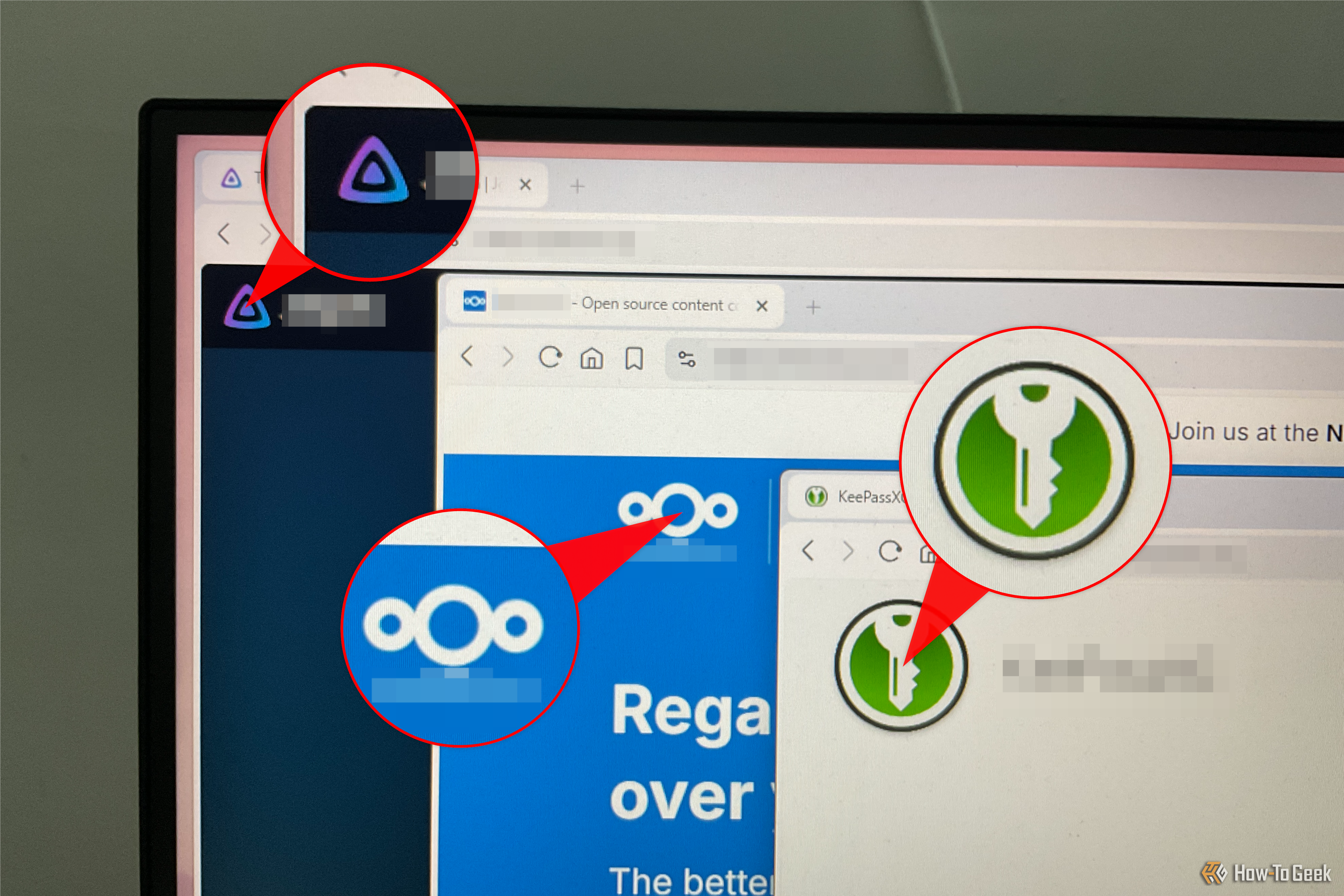
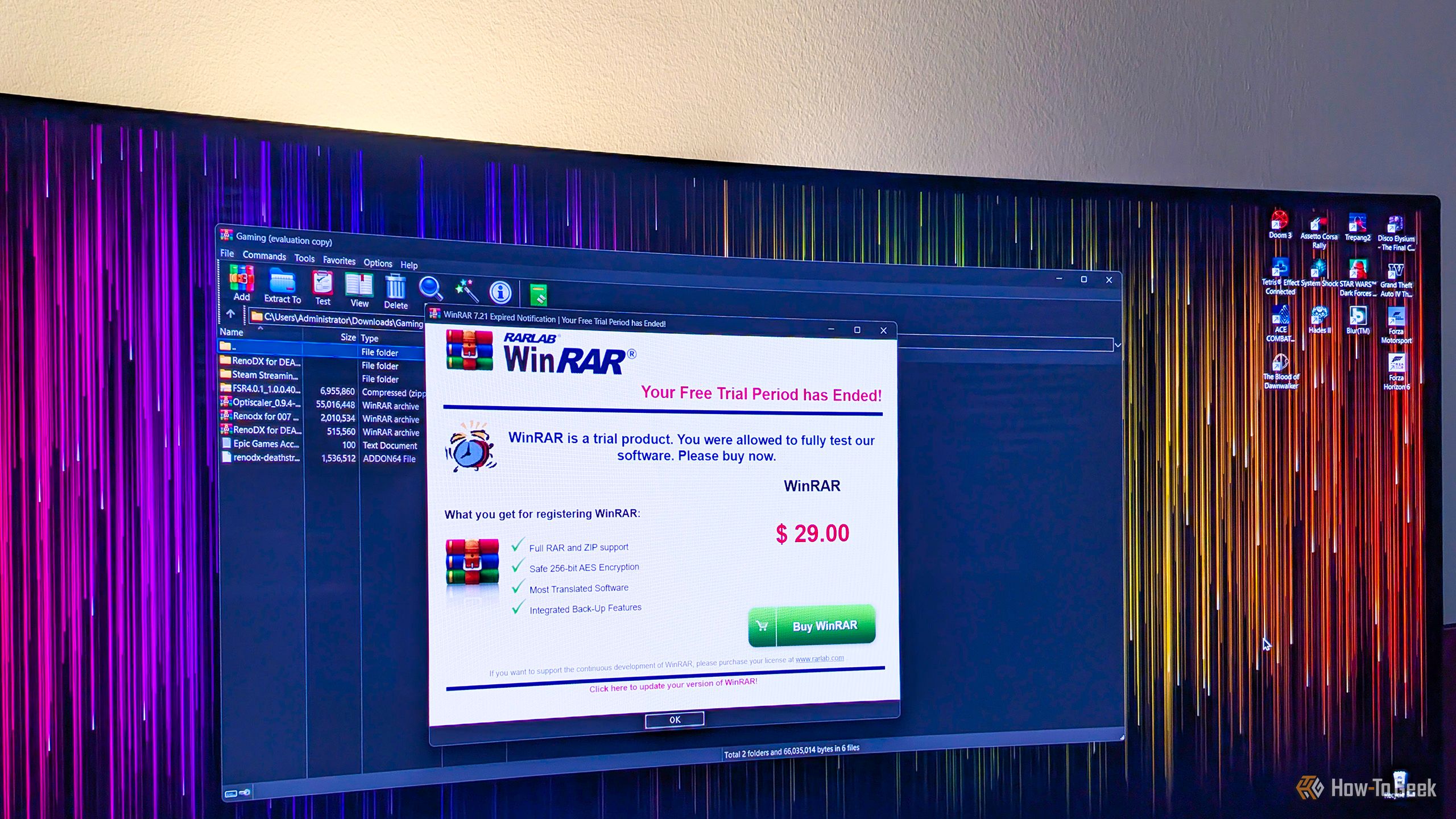
I have a habit of keeping all my software and files, regardless of whether I use them regularly. I have a sweet deprecated version of Noteworthy Composer (to run on a VM) and a portable version of Reaper that I've been using for years. The modern web and modern services have made it increasingly difficult (ahem, Amazon, ahem) to preserve software and digital purchases. So I preserve my software as much as possible, the same way someone might preserve their family photo albums.

Your PDF reader is tracking more than you realize

Opening a PDF, reading its contents, and closing the window is one of the most basic tasks you can perform on a computer. It seems as passive as reading a physical piece of paper. In reality, two things are happening behind the scenes that you don't see: your reader is communicating with the software developer, and the document itself may be sending information to whoever drafted it.

4 free tools I keep on my USB drive to fix any Windows PC

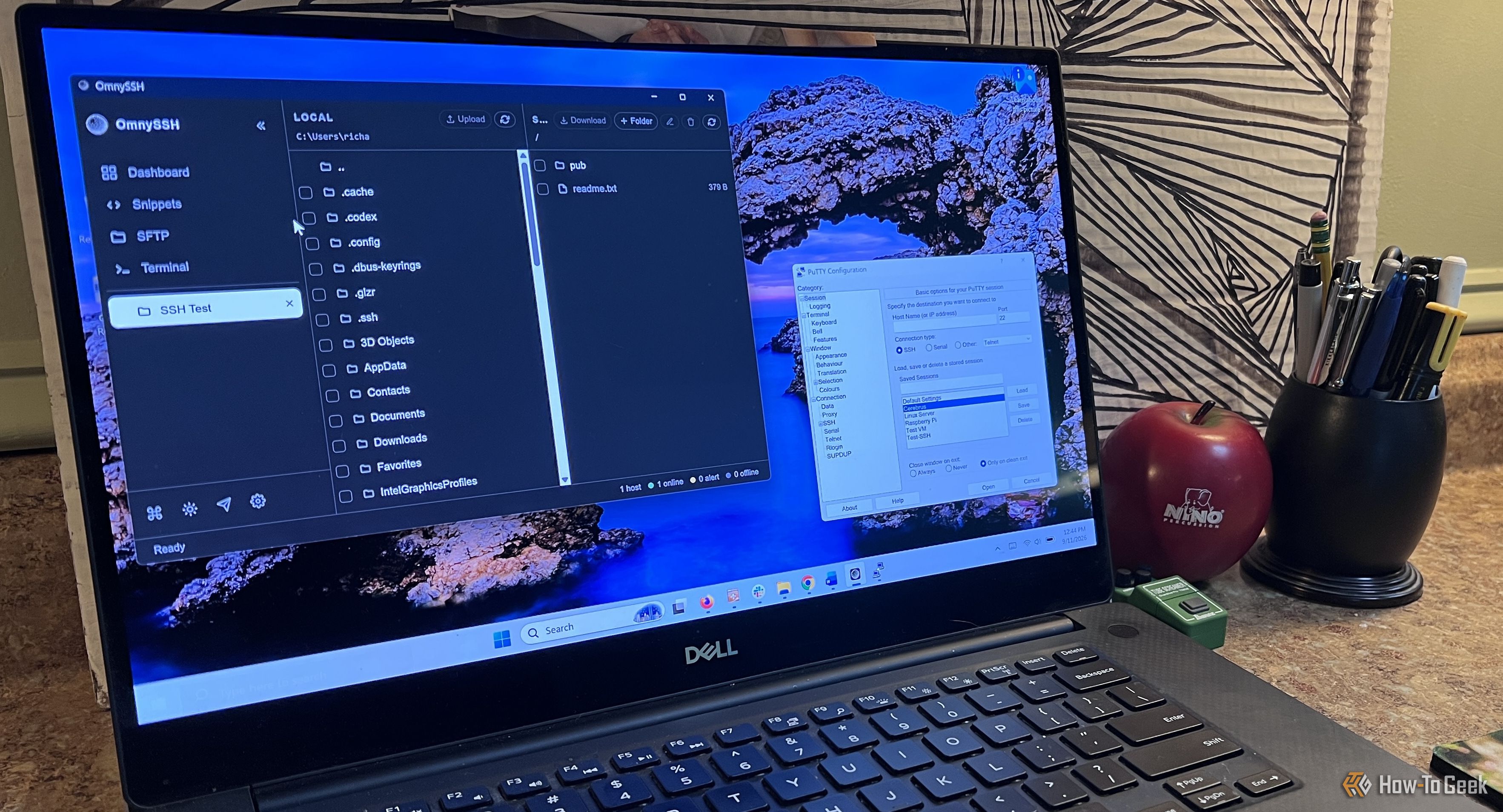
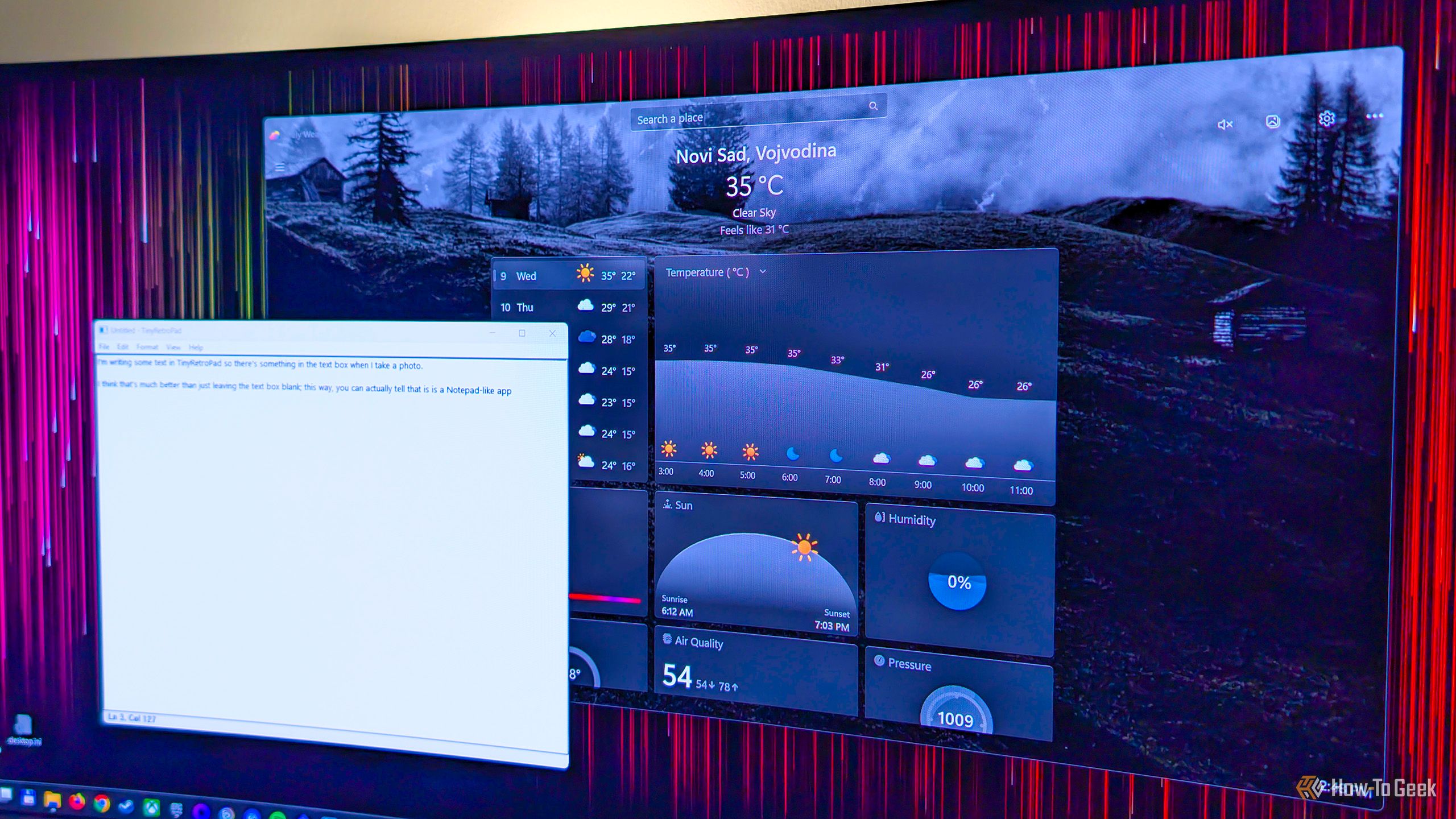
Iโ€™ve spent more hours than I care to admit diagnosing stubborn Windows problems: sluggish laptops, desktop crashes, weird startup behavior, you name it. Over the years, Iโ€™ve used plenty of different tools, from flashy โ€œPC optimizersโ€ that promise too much, to hidden system utilities that actually deliver. What Iโ€™ve learned is that many of the best ones are lightweight, reliable, and give you a clear view of whatโ€™s really happening under the hood, so to speak.

Brave finally admits its bloat problemโ€”but it could cost you $60 to fix it

When Brave first appeared on the scene, it built its reputation on being a fast, lightweight, and privacy-focused alternative to Chrome, without any of the bloat. Sadly, over the years, Brave has become bloated itself, adding features such as AI, crypto wallets, rewards, and news feeds that users never asked for. Brave Origin is a new stripped-down version of Brave that removes the bloat, but there's a pretty significant catch.

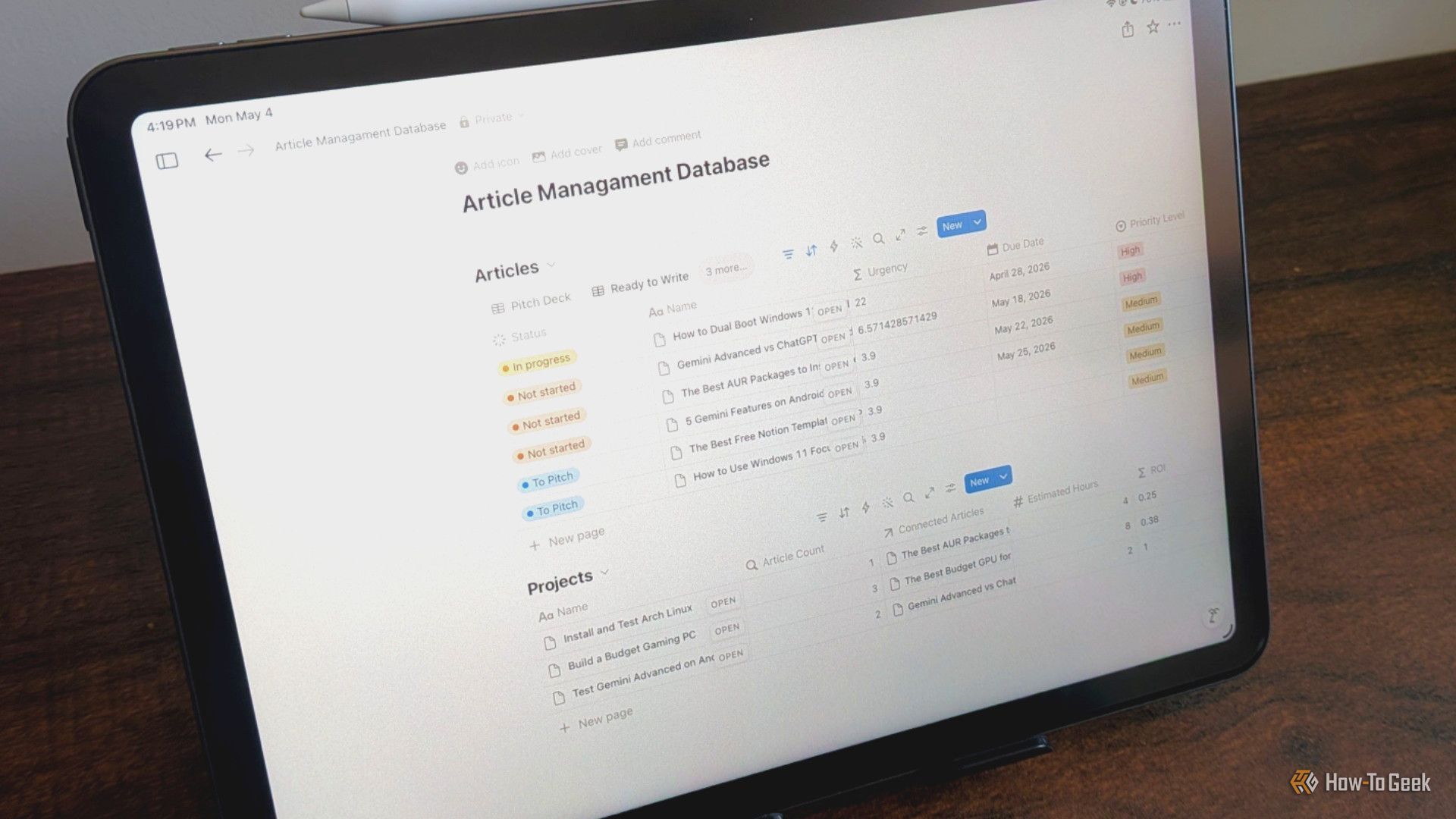
5 Excel settings I changed too late

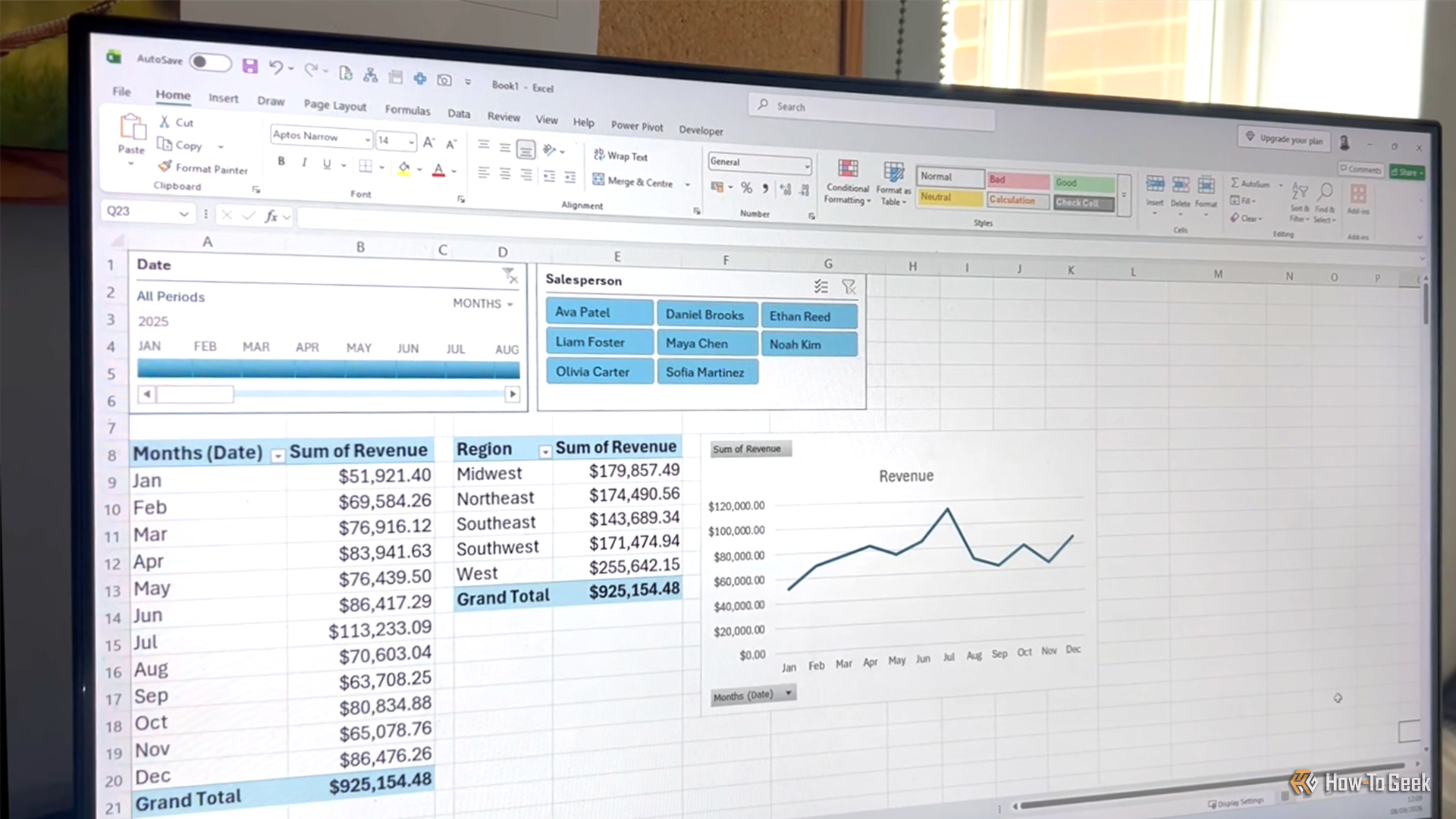
I spent years fighting Excel's default behavior before realizing many of its biggest annoyances could be fixed in minutes. These buried settings changed the way I work and let me customize Excel to behave exactly how I want. Best of all, I only had to change them once, and Excel remembers my preferences every time I open the program.

โŒ