Pending the failed cease-fire and Memorandum of Understanding [MOU] between Iran and America, all eyes have focused on the ongoing, difficult negotiations – mediated by Pakistan, Oman, Turkey, Qatar, and Egypt – between America and Iran. The late Uri Lubrani, Israel’s last Ambassador to Iran in 1978, always warned about the perils of negotiating with the Iranians (“a nation of carpet weavers and of chess players”), whom he respected for their negotiating prowess, calling their manipulation of negotiations “a masterpiece of hoodwinking the world.” Other contemporary experts (former American intelligence officers) such as Mark Fowler, Norm Roule, and Hamlet Yousef have made similar observations. Their collective wisdom is worth noting as the United States continues its diplomatic negotiations with Iran in today’s modern version of ‘The Great Game.’ What is increasingly pertinent in such negotiations pertains to the role of third-party nations such as Oman, Turkey, Qatar, and Pakistan, not as mere mediators, but rather, especially in the case of Pakistan and Turkey, as modern purveyors of ‘intelligence diplomacy.’
Turkey’s road to intelligence diplomacy occurred strategically, rather than organically, as its Foreign Minister Hakan Fidan (previously Director of its intelligence agency MIT, for over a decade) and current MIT Director Ibrahim Kalin purposefully and intentionally positioned Turkey to play an increasingly important role in regional conflicts, covert diplomacy, and intelligence – as in Kalin’s words in a recent speech - “drawing important lessons for our country’s security, strategic positioning, and regional perspective.” This doctrine had previously involved backchannel negotiations in Gaza, Ukraine, Europe, the Balkans, Russia, (cf. the 2024 spy swap), and now, Iran. Other examples include the appointment of former senior MIT officer Gürsel Donmez as Turkey’s Ambassador to Austria, a key worldwide intelligence and diplomacy hub, and Turkey’s successful hosting of the NATO summit last week.
Pakistan is, like Turkey, hardly new to the Great Game. Readers will recall its role in facilitating – during 1971-1972 – the historic Kissinger-Nixon opening to China. But this year’s MOU between Iran and America has thrust Pakistan (and its leaders Prime Minister Shehbaz Sharif and military chief General Asim Munir) into the limelight. Pakistan has handled sensitive backchannel negotiations, hosted talks in Islamabad, and worked closely with its Saudi and GCC partners as the recent MOU came into play. But in its world of zero-sum diplomacy, Pakistan’s strategic successes in intelligence diplomacy heighten its regional and broader posture – especially vis-à-vis America and serves to weaken India’s strategic position and diplomatic influence. In today’s world, as always, Pakistan’s gain is India’s loss and China’s gain (in my opinion, China is the REAL winner of the US-Iran war).
How does one negotiate, or facilitate negotiations with a country which is a combination of a civilization (Persia), theocracy, nation state (Iran), terrorist organization, and criminal entity (IRGC)? Iran has revealed itself to be a formidable negotiating partner, more akin to a sophisticated hostage taker, in which traditional western, Harvard metrics of ‘Getting to Yes,’ or “Getting Past No’ hardly apply. And yet, like hostage takers in [law enforcement] hostage scenarios, Iran must be appreciated as a ‘rational’ actor. The Iranians have brilliantly used ambiguity and opacity as negotiating strategies, and they have adeptly utilized social media to carve out confusing, ambiguous negotiating positions, in addition to asymmetric warfare, closure of the Straits of Hormuz, disinformation, propaganda, cognitive warfare, and traditional diplomatic efforts. One could surmise that the Iranians are truly gifted students, who have read - and survived! - President Trump’s The Art of the Deal. And for President Trump and his national security team, negotiating with a dead, or severely injured, possibly brain-damaged Supreme Leader Ayatollah Mojtaba Khamenei may be the most complex task of all. Such scenarios aren’t taught in diplomatic faculties, business schools, or at the FBI Academy.
Negotiations involving criminal terror groups such as the IRGC (now led by General Ahmad Vahidi) - who have committed numerous worldwide acts of violence and terror over decades - often require third party emissaries (as legitimate governments cannot be seen as a main negotiating partner) and high-level intermediaries in ‘track 3’ diplomacy. Over the past two decades, examples include the former German intelligence officer Dr. Gerhard Conrad’s hostage negotiations involving Hamas and Hezbollah, Swiss American attorney Daniel Levin’s work in the Middle East with The Liechtenstein Foundation for State Governance, and Swiss diplomat Pascal Holiger’s negotiations involving the victims of Boko Haram in Nigeria. The role of empathy, culture, trust, language, and nuance remains critically valuable in such delicate endeavors. And today, trust remains the coin of the realm as 3rd-party nations such as Pakistan and Turkey, as well as others, facilitate ongoing diplomatic negotiations with Iran’s IRGC leadership.
The Iran negotiations will involve more time, which remains Iran’s best weapon, as it can continue to cause economic pain for the West, especially America, as it approaches the November 2026 midterm elections. During its devastating war with Iraq during the 1980s – with over 1 million Iranian casualties – Iran fought for 8 years before the late Ayatollah Khomeini made a peace deal, “drinking from the poisoned chalice.” And a battered, weakened Iran continues to be patient and resolved. And so, a key question now involves President Trump, and what actions – diplomatic or military – he might take next, and whether he too, will be forced to “drink from the poisoned chalice.” The stakes could not be higher. And practitioners of intelligence diplomacy, such as Pakistan, Turkey, and other actors, will continue to be linchpins of any diplomatic successes. But unlike past similar negotiations, which involved discretion and secrecy, today’s intelligence diplomacy takes place in the glare of the media and its heir apparent, social media --- a curse and a blessing for its practitioners. What hasn’t changed is that words and actions – especially those of President Trump and the Iranian leadership - still matter, more than ever.
Dr. Kenneth Dekleva served as a Regional Medical Officer/Psychiatrist with the U.S. Dept. of State from 2002-2016 and is currently CEO of Blackwood Advisory Solutions LLC, and Professor of Psychiatry, UT Southwestern Medical Center, Dallas, TX. The views expressed by Dr. Dekleva are entirely his own and do not represent the views of the U.S. Government, the U.S. Dept. of State, or UT Southwestern Medical Center.
The Cipher Brief is committed to publishing a range of perspectives on national security issues submitted by deeply experienced national security professionals. Opinions expressed are those of the author and do not represent the views or opinions of The Cipher Brief.
Have a perspective to share based on your experience in the national security field? Send it to Editor@thecipherbrief.com for publication consideration.
Read more expert-driven national security insights, perspective and analysis in The Cipher Brief

 Login
Login
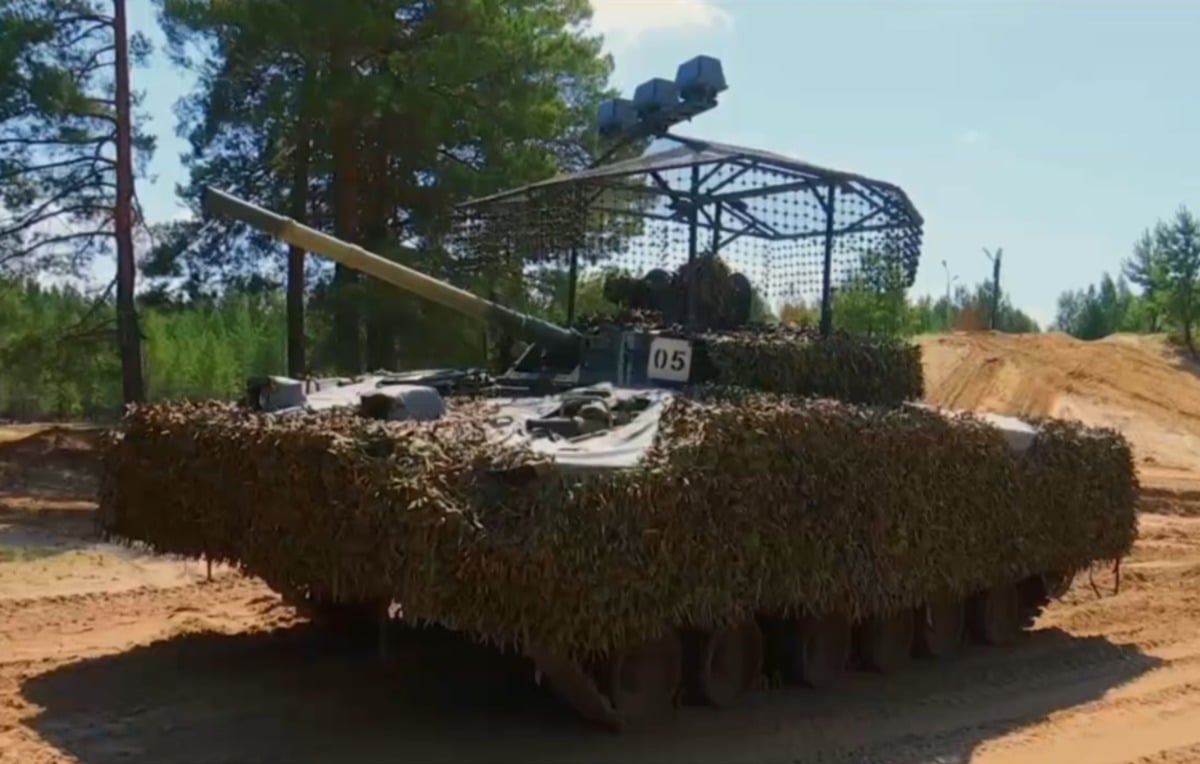 Russia’s state defense conglomerate has delivered another batch of infantry fighting vehicles to its army, and according to the company that builds them, production has now tripled since the start of the full-scale invasion of Ukraine more than four years ago. Rostec, Russia’s state-owned industrial and defense holding company, announced that its High Precision Systems […]
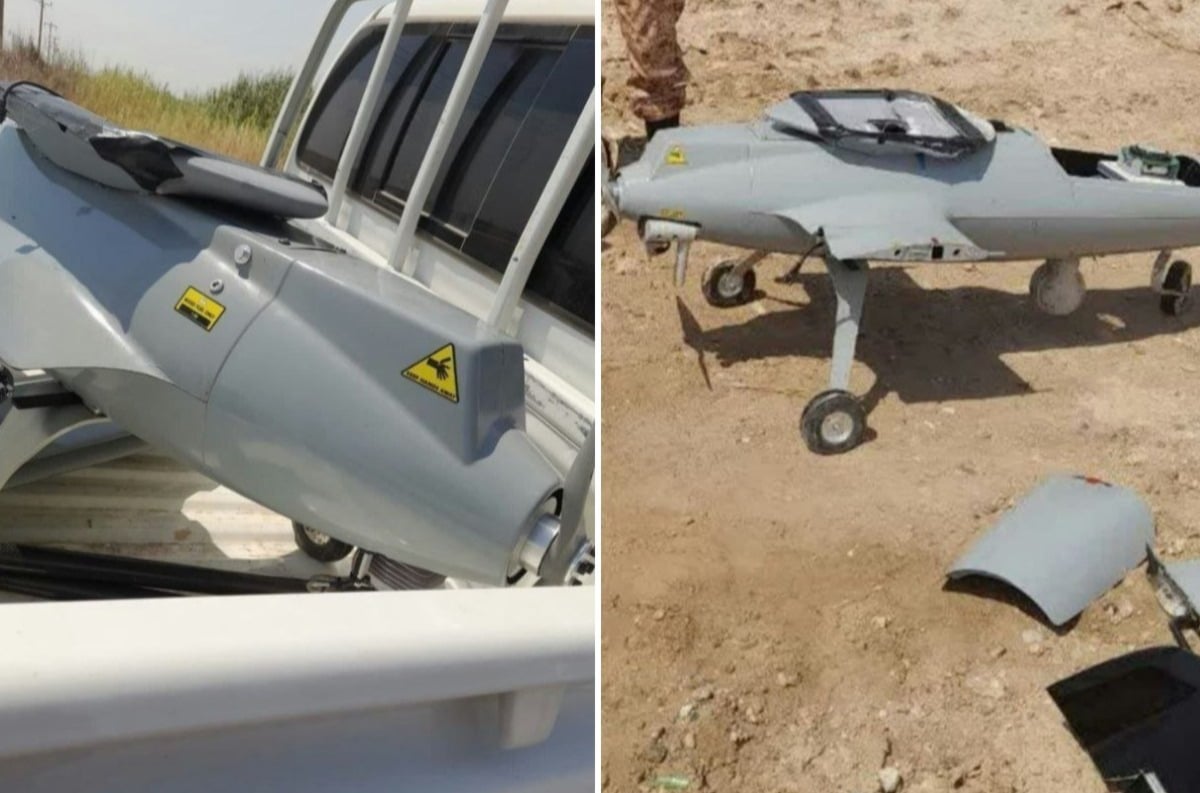 Iran’s Islamic Revolutionary Guard Corps released photographs Sunday of a downed drone its Ground Forces say they shot out of the sky over southern Iran, and the aircraft in the photos traces back to a U.S. Army Special Forces exercise conducted thousands of miles away in the Philippines just three months earlier. Babak Taghvaee, an […]
 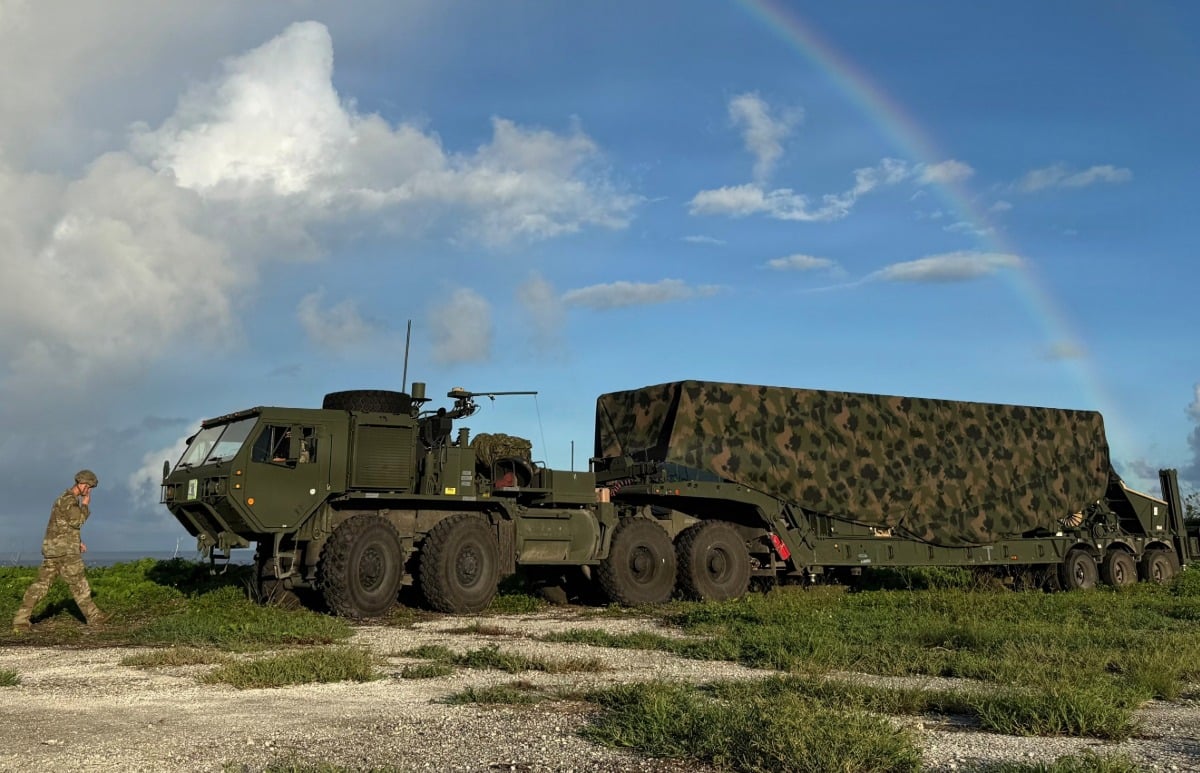 Photos released by a U.S. Army unit this week appear to show America’s newest hypersonic missile system training somewhere in the Pacific, and one open-source analyst believes he has pinned down exactly where. The X account 笑脸男人, tracking military hardware sightings under the handle @lfx160219, said the U.S. Army may have deployed its Dark Eagle […]
 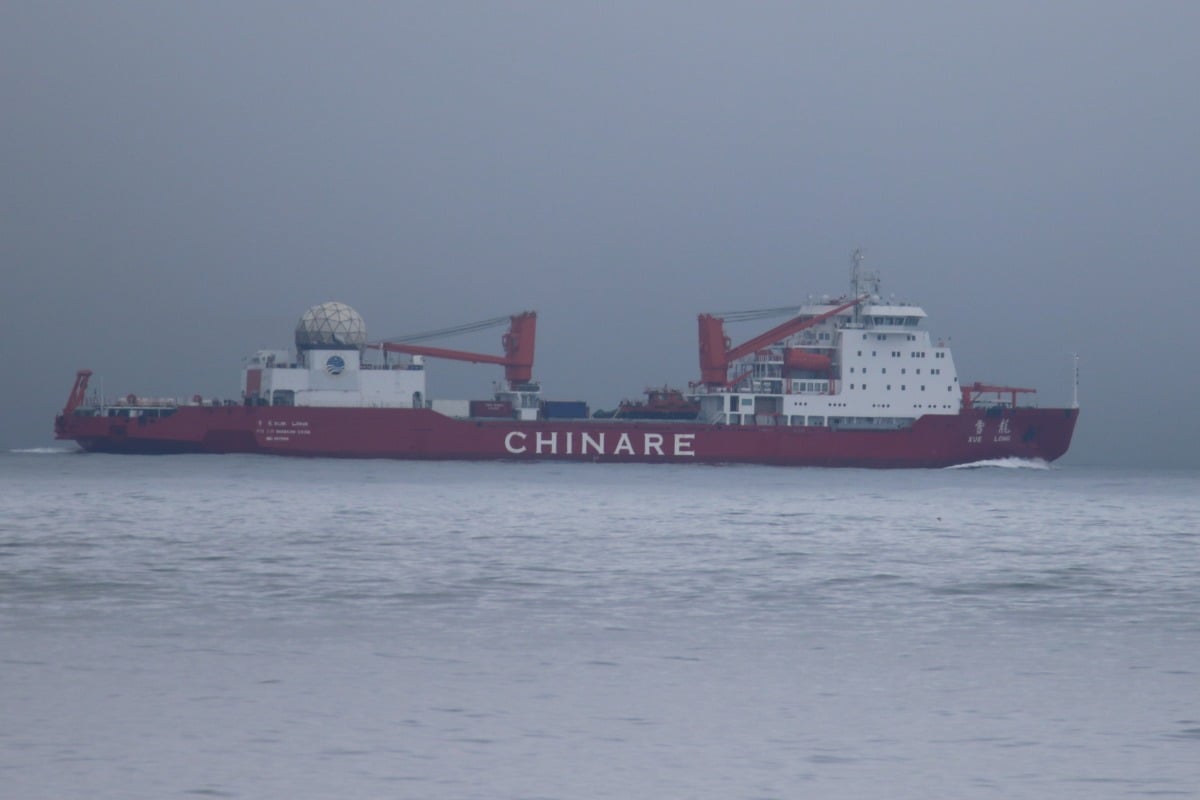 Two Chinese research ships pushed north through American waters off Alaska this week, and for the first time this year, they didn’t just skirt past the edge of U.S. territory, they crossed directly through it. The U.S. Coast Guard confirmed it tracked the Chinese research vessel Xue Long as it transited north through the United […]
 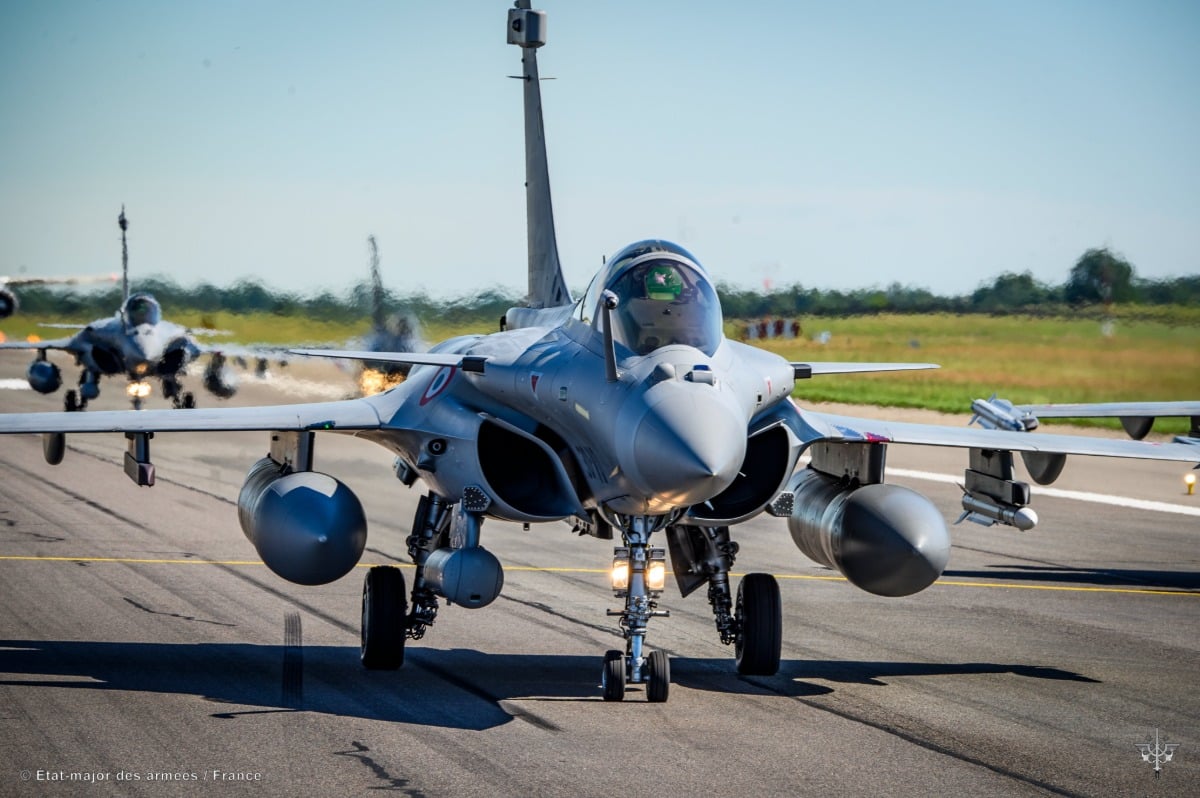 France’s Air and Space Force announced that its sixth major long-range air power deployment, code-named PEGASE 26, will launch in early September 2026, sending four Rafale fighter jets built to the latest F4 operational standard across three strategic regions the French military considers critical to its global posture: the Arctic, the Indo-Pacific, and the Middle […]

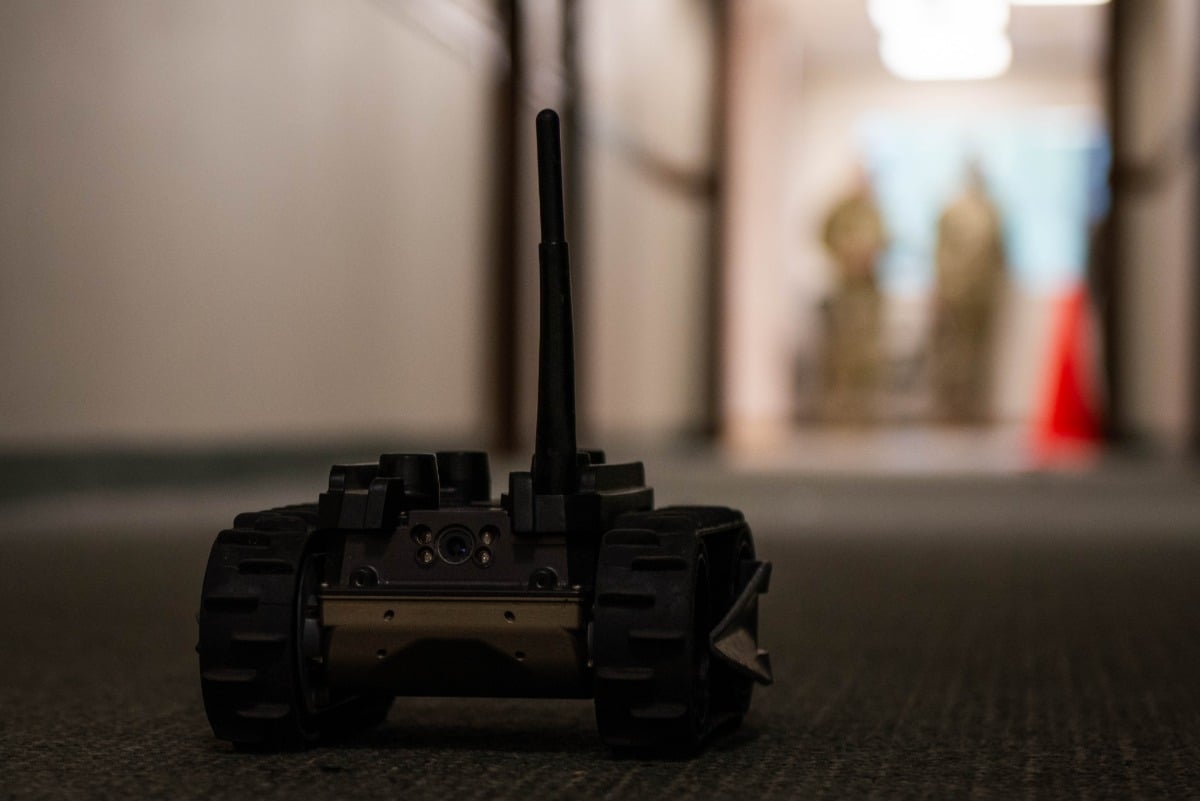 A robot small enough to throw through a window and tough enough to survive a five-story fall onto concrete is headed to Tunisia’s military, part of a U.S. arms sale that will let North African soldiers see around dangerous corners before anyone has to walk into them. The U.S. Army’s Contracting Command at Aberdeen Proving […]
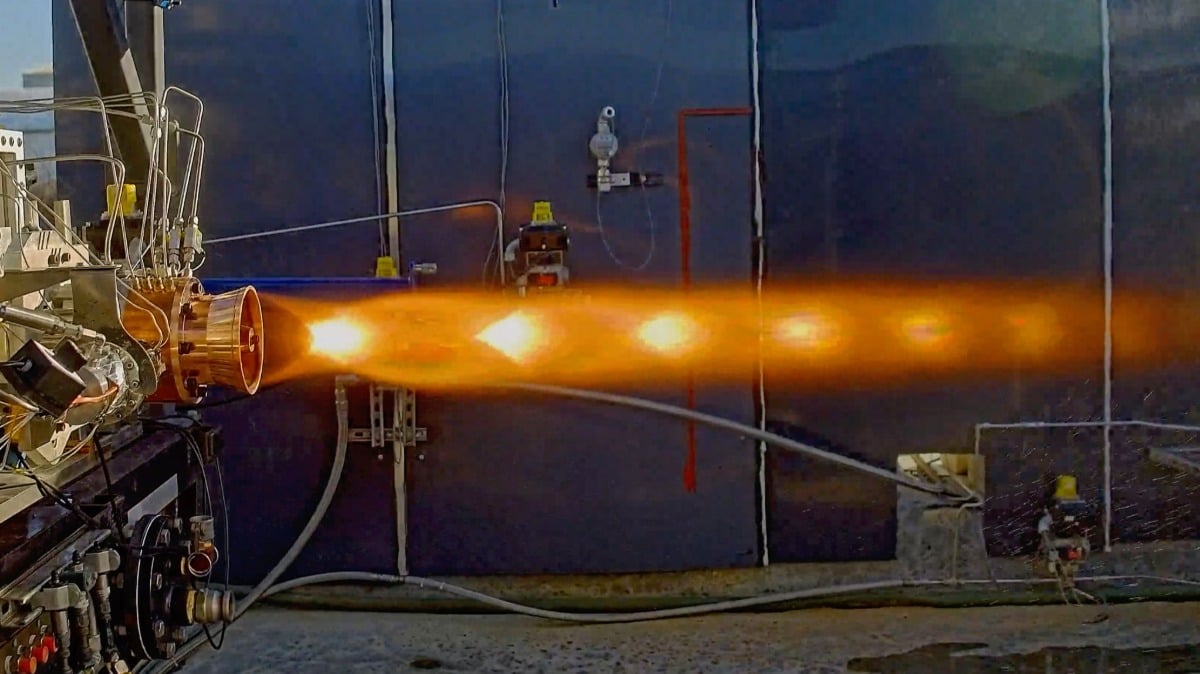 The U.S. Air Force has asked American rocket companies for their best ideas on an engine that could let a single missile take off like a rocket, cruise like a jet, and skip the giant fuel tanks that usually make that kind of flexibility impossible. The Air Force Research Laboratory’s Rocket and Space Propulsion Division, […]
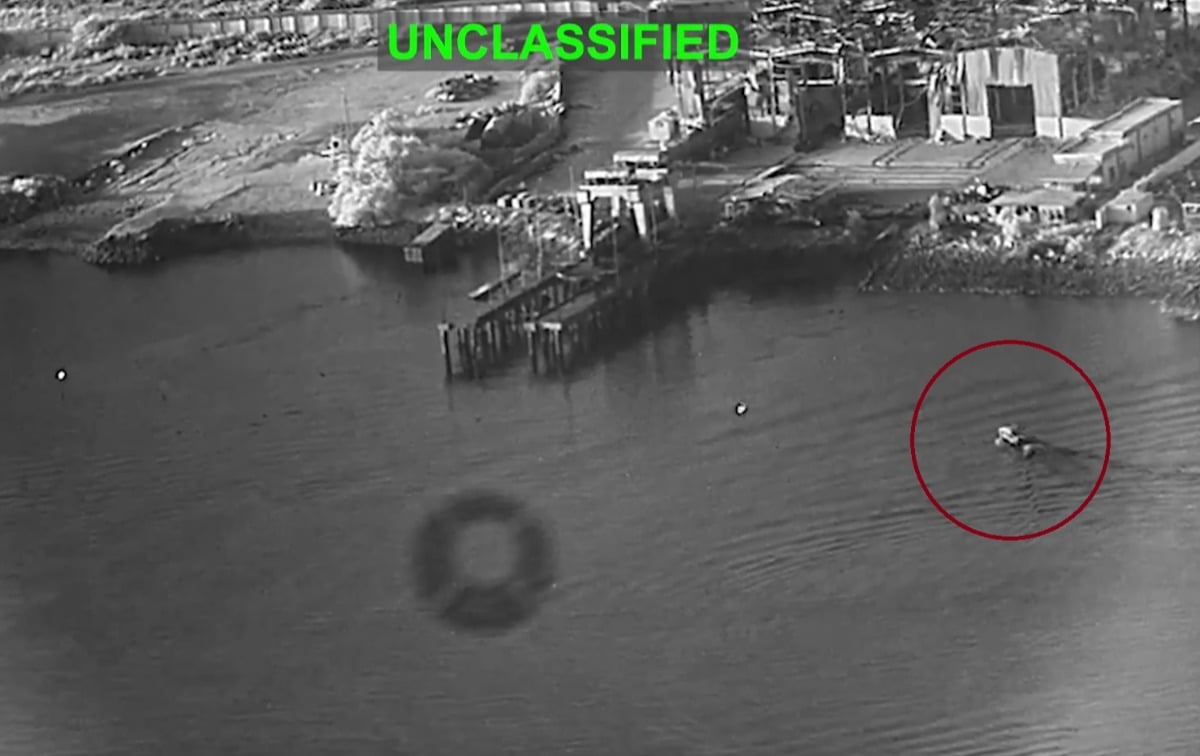 The U.S. military has now named the exact weapon it used to make history over the weekend, confirming that three Saronic-built Corsair unmanned boats carried out the first combat strike ever conducted by American sea drones, slamming into a submarine and ship maintenance facility at Iran’s Bandar Abbas Naval Base. U.S. Central Command detailed the […]
 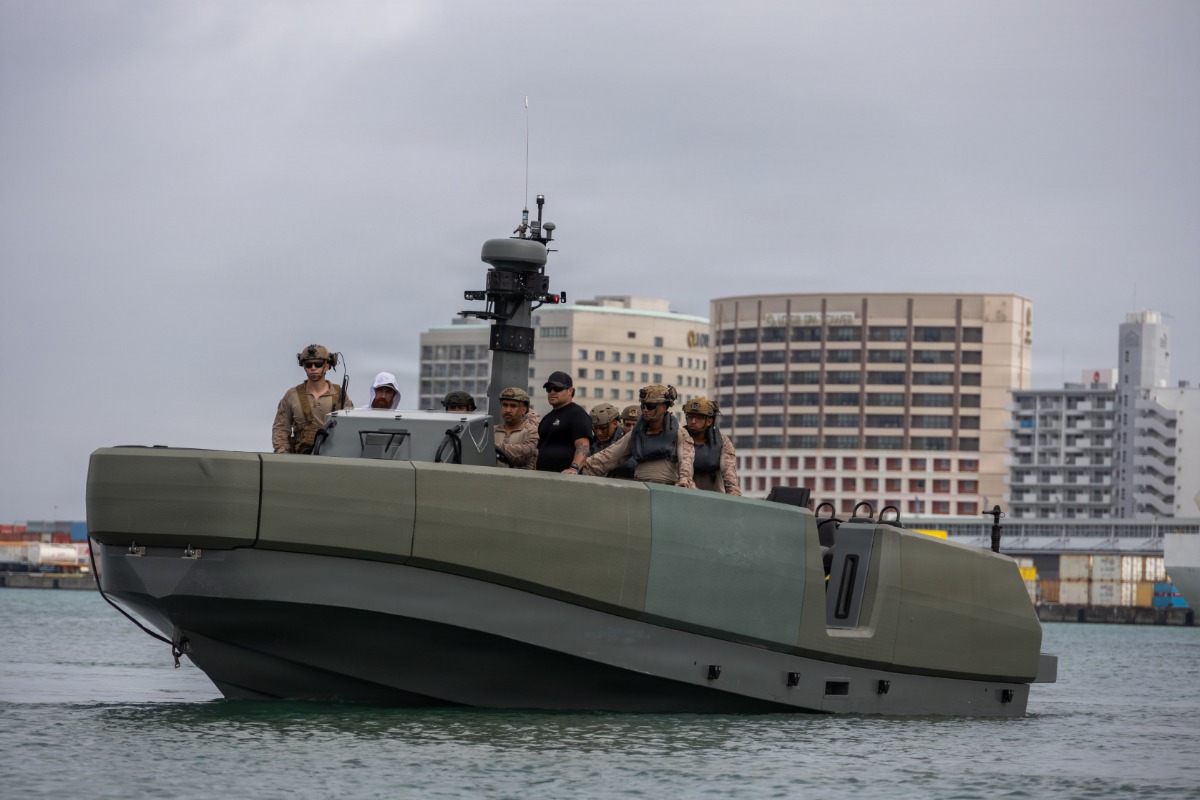 U.S. Marines with 3rd Reconnaissance Battalion spent early June learning to handle a boat the Marine Corps has bet will let small reconnaissance teams operate across the scattered islands of the Western Pacific without waiting for a ship to carry them there. The unit, part of 3rd Marine Division, conducted familiarization training with the Multi-Mission […]
 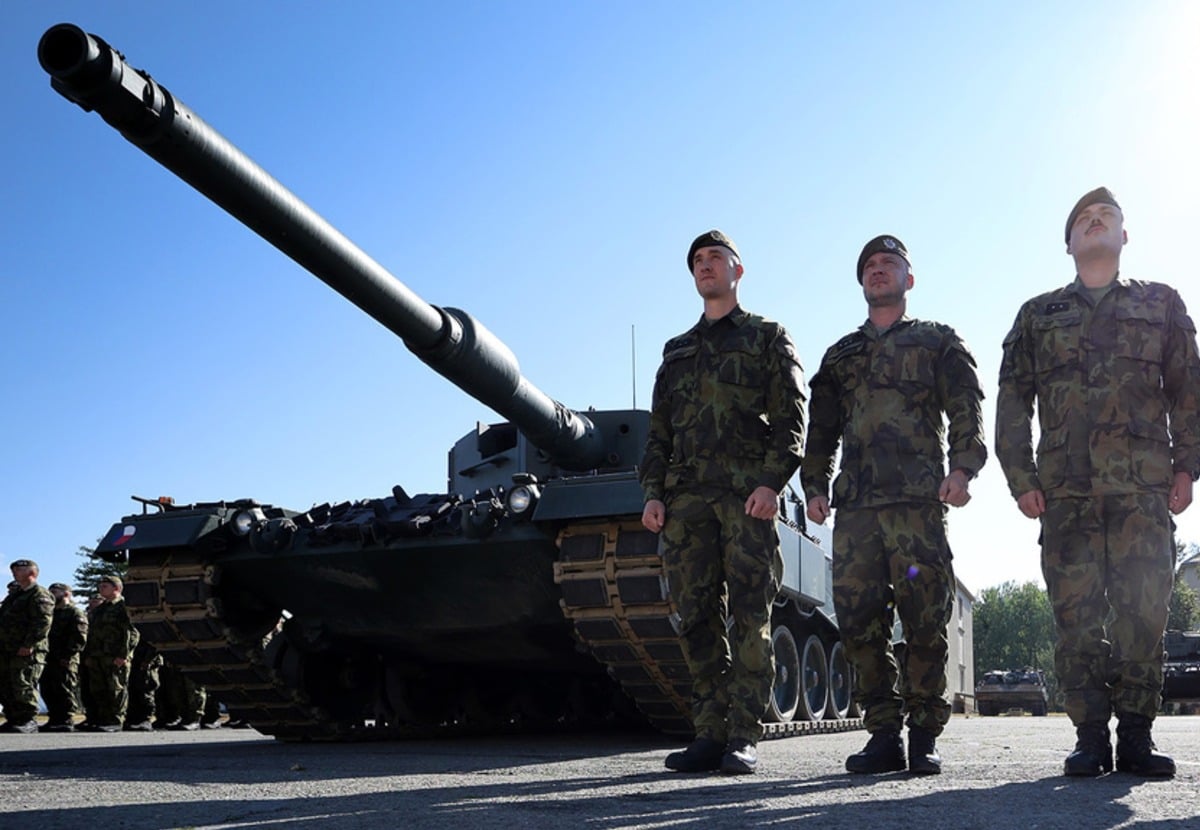 The Czech Army held a handover ceremony on July 10 at the 73rd Tank Battalion’s base in Přáslavice, a garrison town in the Olomouc region of eastern Czechia, marking the delivery of the final Leopard 2A4 in a fleet that now totals 42 tanks. The Leopard 2A4 is an earlier variant of Germany’s Leopard 2 […]
 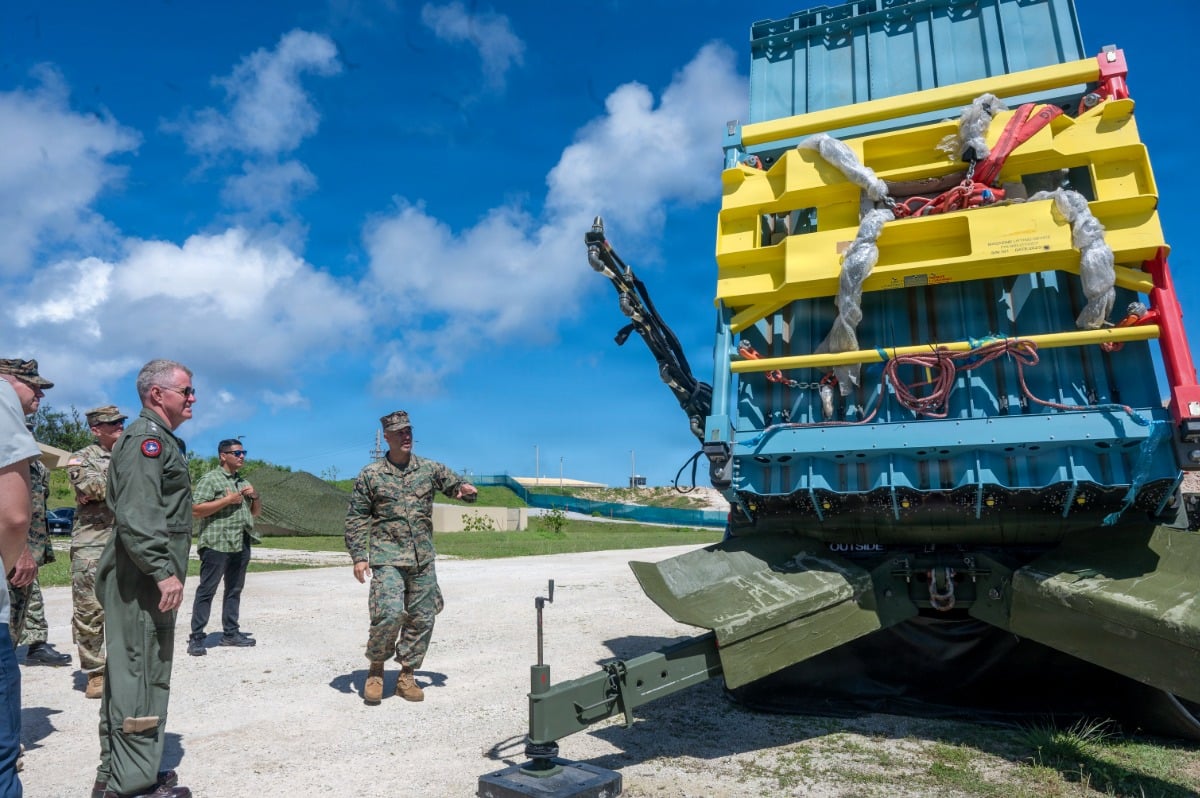 U.S. Marines on a remote Pacific island just proved they can shoot down cruise missiles using a weapon system built around the same technology that has protected Israeli cities from rocket attacks for over a decade. Marines from III Marine Expeditionary Force successfully fired the Medium-Range Intercept Capability, or MRIC, system on June 30 during […]
 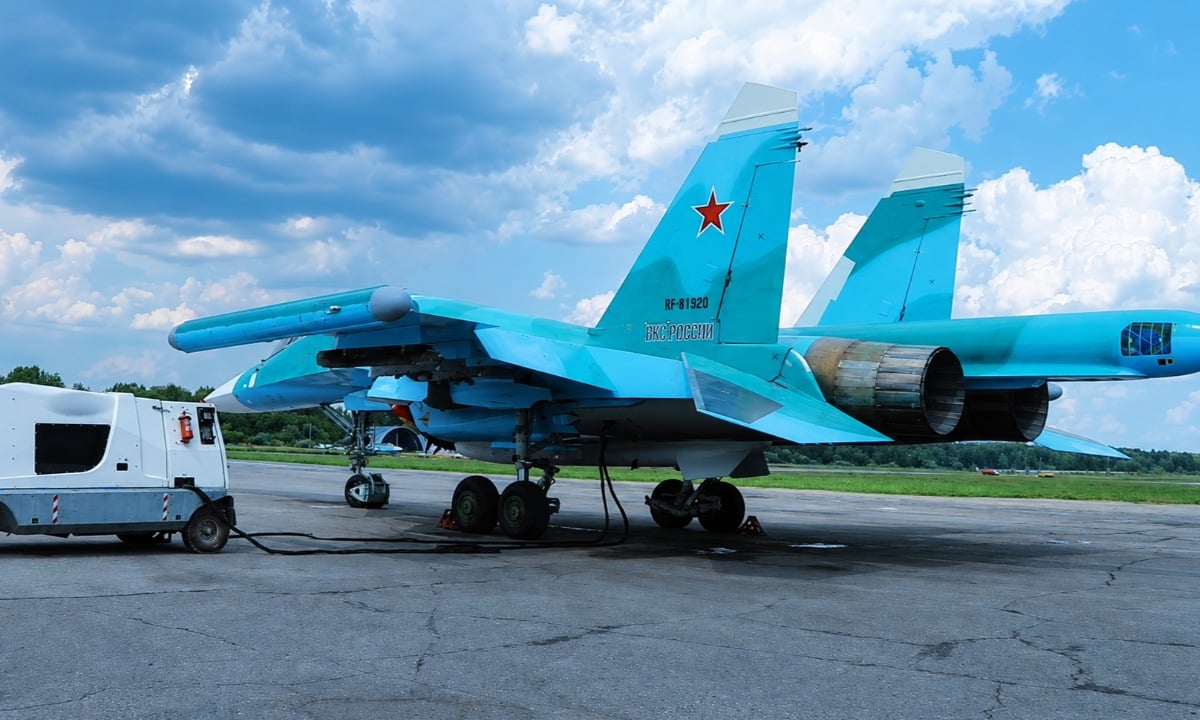 Russian state defense conglomerate Rostec announced the delivery of a new batch of Su-30SM2 Flanker-C multirole fighters and Su-34 Fullback fighter-bombers to the Russian military, according to a statement from the manufacturer, framing the handover as part of an ongoing effort to modernize a combat aircraft fleet that open-source trackers say has absorbed dozens of […]

