The Bank of Russia has identified cryptocurrency use as a financial market risk, warning that stablecoins and other digital assets could increasingly be used by Russians as substitutes for the national currency. The central bank outlined the concerns in its…
India and Russia have begun working on a digital currency settlement mechanism for bilateral trade as their central banks examine how state-issued currencies could be used for cross-border payments. Sberbank Chief Executive Officer Herman Gref said the Bank of Russia…
Russia has made taxpayer identification numbers a mandatory part of opening digital depository accounts used to record cryptocurrencies and digital rights as authorities tighten identity checks across the country’s newly regulated crypto market. Russia’s Federal Financial Monitoring Service, known as…
Russia’s largest bank, Sberbank, has said it expects trading volume with its new crypto rollout to hit 4 trillion rubles ($46.43 bln) in the first year, according to reports.
Volumes are also expected to hit 7.5 trillion rubles ($87.06 bln) by 2029, Sberbank Deputy Chairman of the Executive Board Anatoly Popov was quoted saying, as reported by Tass on Saturday.
The forecast was deemed “conservative” according to the news report. Sberbank in July revealed plans to debut a Bitcoin and crypto wallet as well as digital asset custody by December. The Bank of Russia in July published draft regulations for crypto trading, and the State Duma is preparing the comprehensive regulation of digital assets.
And in a Friday report, Tass quoted Sberbank Deputy Chairman Anatoly Popov saying that the bank was planning to accept Bitcoin — and other cryptocurrencies — as collateral for loans.
Russia is fast moving ahead with regulating digital assets in the country. Russian President Vladimir Putin this month signed a law to set in stone the regulation of digital currencies and digital rights in the country.
The new law reportedly allows only registered entities to operate as exchanges, and puts limits on the amount of crypto retail investors can use.
Still, despite the rollout, using digital assets as a means of payment or legal tender within Russia is still banned. Using crypto as a form of payment has been prohibited in Russia since 2022.
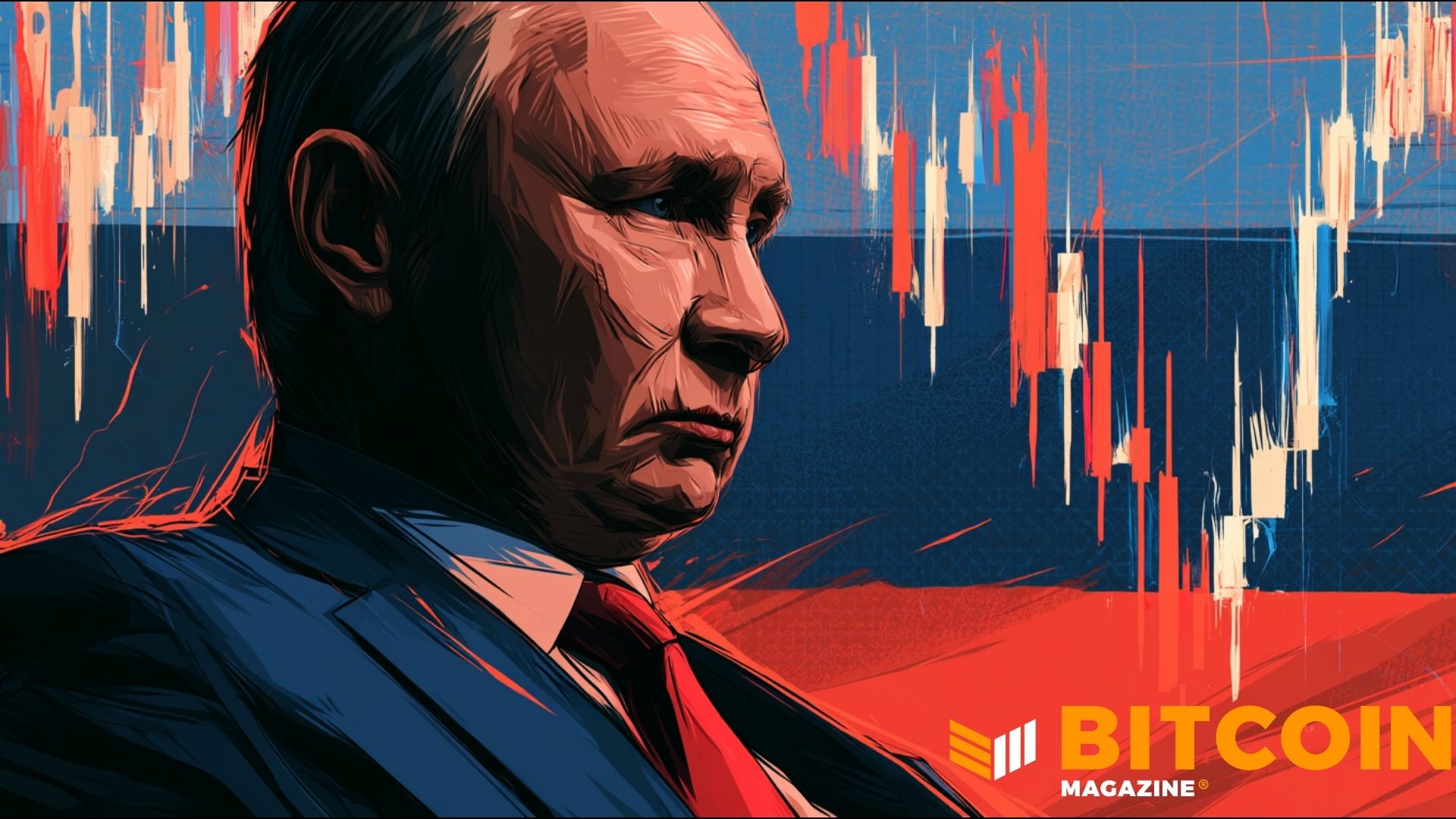
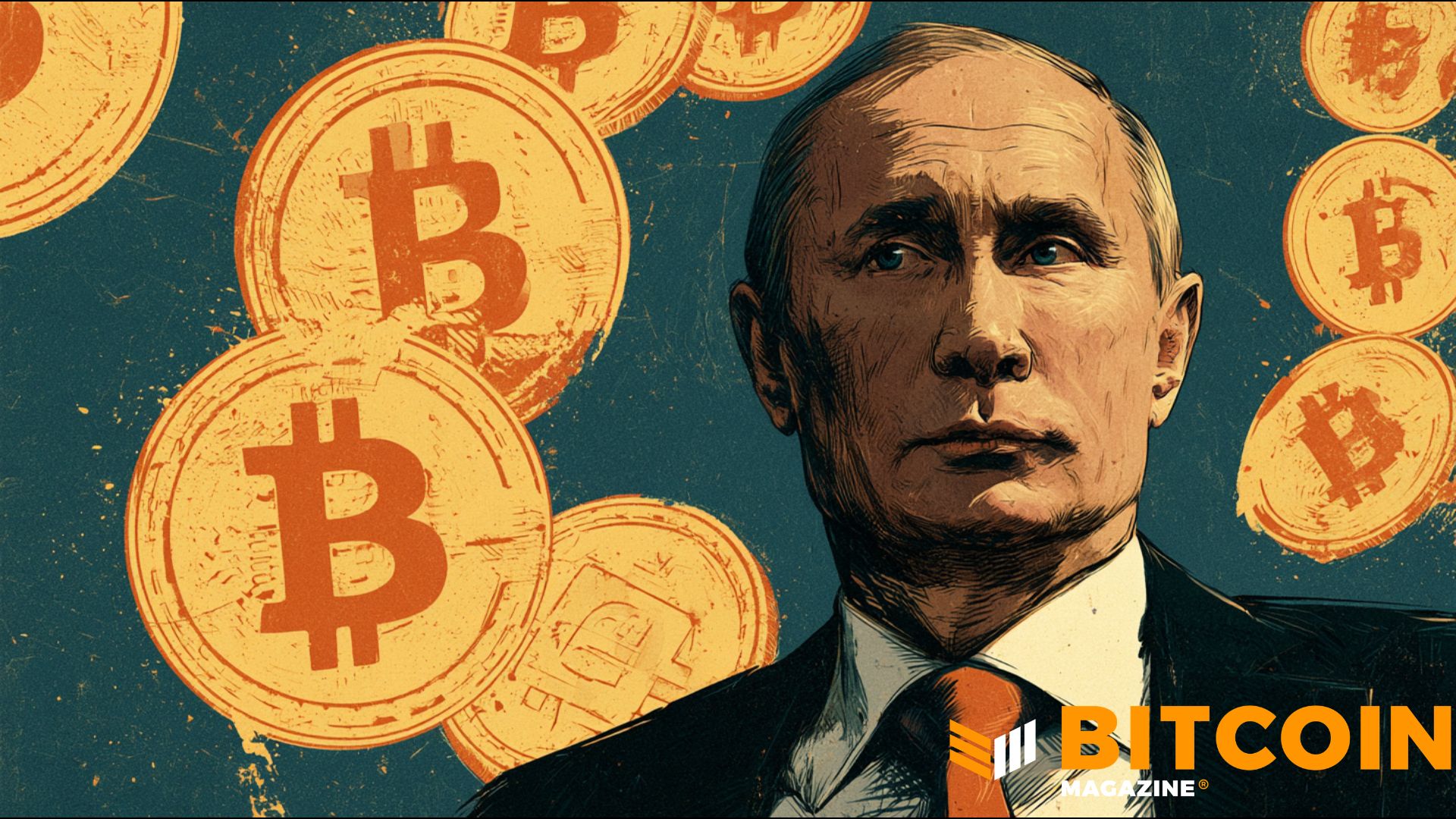
President Putin has appeared to praise Bitcoin in the past, once saying that the leading cryptocurrency can’t be stopped.
Since the U.S. and European governments cut Russia off from the SWIFT payments system after it invaded Ukraine in 2022, Russian companies have been using Bitcoin to skirt around the penalties.
But the Russian state keeps a tight grip on what its citizens can do with crypto: authorities have been cracking down and arresting people operating unregistered crypto exchanges.
And the amounts involved barely matter — a nuclear engineer in Sarov was sentenced to 18 years for sending about $13 from his crypto wallet to groups the state designates as terrorist organizations.
Russia’s central bank has approved Bitcoin trading for the public on the country’s crypto exchanges, according to reports.
Citing the Bank of Russia’s Telegram channel, news agency Tass reported that the central bank capped cryptocurrency purchases for retail investors at 300,000 rubles ($3,632) per year.
The news comes as Russia moves fast in regulating the crypto space. President Vladimir Putin has spoken about the benefits of Bitcoin and spoken about how the country has advantages when it comes to crypto mining. But using crypto to pay for goods is still prohibited in Russia.
“According to the law, the selection of cryptocurrencies factors in their market capitalization, average daily trading volume, and foreign exchange pricing history, which must span at least five years for each asset,” TASS reported the Telegram channel saying.
It added that other top cryptocurrencies, including Tether’s USDT stablecoin, were allowed for retail investors too.
Qualified investors will be able to trade a longer list of digital assets, it continued. Qualified investors have no limits on the amount they can trade, a news report earlier this month revealed.
President Putin earlier this month reportedly signed a law to regulate digital currencies and digital rights in the country.
Russian regulators, lawmakers and the central bank have been working to clarify the legal status for digital assets in recent years.
The Russian state still has a tight grip over what its citizens can do with Bitcoin, though. Despite Putin appearing to praise Bitcoin in the past, the use of digital assets to pay for things has been banned for years.
Russian lawmakers have made an exception for international payments — but most likely as a way to dodge Western sanctions.
The U.S. and European governments cut Russia off from the SWIFT payments system after it invaded Ukraine in 2022 and Russian companies have been using Bitcoin to skirt around the penalties, according to the country’s finance minister.
Russian President Vladimir Putin has reportedly signed a law to set in stone the regulation of digital currencies and digital rights in the country — but citizens won’t be using Bitcoin to pay for goods just yet.
News agency Tass reported Tuesday that the new law will allow only registered entities to operate as exchanges, and puts limits on the amount of crypto retail investors can use.
For now, retail investors are limited to trading most liquid cryptocurrencies, capped at 300,000 rubles ($3,700) per year. Qualified investors have no restrictions, according to the report.
But the new law still prohibits digital currencies and digital rights as a means of payment or legal tender within Russia. Using crypto has been illegal in Russia as a form of payment since 2022.
According to the report, Russians can use digital currencies to pay for settlements under foreign trade contracts between residents and non-residents or for those involved in crypto mining.
Russian regulators, lawmakers and the central bank have been over the past few years trying to set in stone clear rules for digital assets.
But Putin is pro-Bitcoin?
The news that digital currencies can’t be used as payments may come as a surprise to those who have heard President Putin talk about Bitcoin.
Back in 2024, the Russian leader seemed to speak highly of Bitcoin, saying that new technologies were emerging that could help people move money.
“For example, Bitcoin, who can ban it? Nobody,” he said.
The president has also spoken about how the country has “competitive advantages” when it comes to Bitcoin mining due to the abundance of cheap energy in Russia.
But Russian lawmakers want to retain a tight grip on citizens’ spending; the use of digital currency has been for years permitted for international payments — most likely as a way to dodge Western sanctions.
Russia’s State Duma has moved crypto regulation toward its final legislative stage, advancing a bill that would establish formal rules for mining, exchanges, and cross-border settlement activity.
The bill, listed as No. 636524-8, is aimed at creating a statutory framework for parts of the digital asset sector that have already become active inside and around Russia’s economy. The measures include mandatory registries for industrial miners, licensing requirements for crypto exchanges, and legal treatment for certain cross-border settlement uses.
That makes the legislation important even for markets outside Russia.
Crypto regulation is increasingly becoming a matter of national payment strategy, energy policy, sanctions exposure, and institutional oversight. Russia’s approach reflects that wider trend: governments are no longer asking whether crypto exists. They are deciding how to control it.
TL;DR
Russia’s State Duma has advanced crypto legislation toward final readings.
The bill covers industrial mining registries, exchange licensing, and cross-border settlement.
The development matters because crypto regulation is becoming part of national financial infrastructure.
Why Russia’s Crypto Law Matters
Russia has been a major part of the crypto conversation for years, especially around mining and cross-border payments.
The country has access to energy resources, a technically skilled population, and strong incentives to explore alternative settlement channels. At the same time, it faces sanctions pressure and a complicated relationship with the global financial system.
That makes crypto regulation more than a domestic compliance question.
If Russia formalizes rules for mining and cross-border crypto settlement, it could affect exchange oversight, industrial power usage, institutional access, and international payment flows.
The bill appears to create a more structured environment rather than leaving activity in a grey zone.
For miners, mandatory registries could bring more oversight but also more legal clarity. For exchanges, licensing rules could define who is allowed to operate. For cross-border settlement, the law could give state-approved entities clearer permission to use digital assets in specific contexts.
Mining Is A Core Piece
Mining is one of the most important parts of Russia’s crypto policy debate.
Industrial mining consumes power, creates exportable digital assets, and can become a source of revenue. But it also raises questions around grid stability, taxation, regional energy use, and illegal operations.
A registry model gives the state more visibility.
That may help authorities separate approved industrial miners from informal or unauthorized activity. It can also create a route for taxation and compliance monitoring.
For the mining industry, the trade-off is familiar.
Regulation can add reporting burdens and costs, but it can also reduce uncertainty. Companies operating at scale often prefer a defined legal framework to constant ambiguity.
That is especially true when mining is connected to energy contracts, data centre infrastructure, and capital investment.
Cross-Border Settlement Is The Sensitive Part
The cross-border settlement provisions are likely to attract the most international attention.
Digital assets can move across borders without relying on traditional correspondent banking rails. That makes them useful in some trade contexts, but also sensitive from a sanctions and compliance standpoint.
Russia’s interest in crypto settlement should be viewed through that lens.
A legal framework could allow certain companies or institutions to use digital assets in international trade under state-approved conditions. That would not mean all crypto payments become legal or unrestricted. It would mean Russia is creating a formal route for specific use cases.
The key is how narrow or broad those permissions become.
If the law is tightly controlled, it may mostly support selected trade channels. If it is broader, it could create a larger domestic market for crypto-linked settlement services.
Either way, the development is part of a global pattern. Countries are exploring how digital assets fit into payment systems, sanctions policy, and trade infrastructure.
Regulation Does Not Mean Liberalization
It is important not to confuse regulation with openness.
A government can legalize certain crypto activities while still maintaining strict control. Licensing, registries, and approved settlement channels often mean more oversight, not less.
Russia’s bill appears to move crypto into a more formal state-supervised framework.
That may help compliant firms, but it may also limit unlicensed activity. Exchanges and miners could face clearer obligations, and cross-border settlement may be restricted to approved participants.
For markets, the important signal is that crypto continues to move into formal legal systems.
The early era of ignoring or banning digital assets is giving way to more detailed frameworks. Some are investor-focused. Some are enforcement-focused. Some are designed around national payment strategy.
Russia’s legislation fits the third category especially closely.
The final details will matter, but the direction is clear: the State Duma is moving crypto regulation deeper into law, and the result could shape how mining, exchanges, and settlement operate in one of the world’s most geopolitically sensitive markets.
This article is based on Russian State Duma legislative materials.
This article was written by the News Desk and edited by Samuel Rae.
This report is based on information released in official primary source disclosures at primary source documentation.

 Login
Login

 Russian President Putin says "Who can ban
