
❌

Normal view

There are new articles available, click to refresh the page.
Before yesterdayManjula's Kitchen

Mixed Dal Dosa

6 September 2024 at 07:27
Print

Mixed Dal Dosa

Mixed Dal Dosa is a simple and nutritious flatbread that doesn’t require fermentation. This high-protein dosa is made from a blend of various lentils (dal), which are soaked and ground into a smooth paste. A few spices enhance the flavors, and the dosa is cooked on a hot skillet until it’s crispy and golden. These dosas are not only high in protein but also vegan and gluten-free, making them a healthy choice for everyone.
These protein-rich mixed dal dosas are incredibly versatile. They’re perfect for a healthy breakfast, but they can also be enjoyed at any mealβ€”lunch, dinner, or even as a snack. Serve them with your favorite chutney, a comforting soup, or your choice of vegetable dish to complete the meal.
Prep Time 15 minutes
Cook Time 20 minutes
Servings 6 Dosa

Ingredients

  • ΒΌ cup moong dal
  • ΒΌ cup washed moong dal
  • ΒΌ cup washed urad dal
  • ΒΌ cup red lentil
  • 1 green chili chopped optional
  • ΒΌ piece ginger chopped
  • Β½ tsp cumin seeds (jeera)
  • ΒΌ tsp black pepperΒ 
  • β…› tsp asafetida (hing)
  • Β½ tsp salt (adjust to taste)
  • 4 tbsp oil

Instructions

  • In a bowl mix all the dal, wash them changing water 2-3 times. Soak dal in four cups of water for 6-8 hours.
  • Drain the water. Blend the lentils (dal) with green chili and ginger, adding water slowly as needed to make a smooth batter. Note: The less water, the smoother the batter.
  • Mix the salt and cumin seeds into the batter. Add water as needed. The total water added will be about Β½ cup, just enough to achieve the consistency of pancake batter.
  • Place a non-stick skillet over medium-high heat. Test by sprinkling a few drops of water on it. The water should sizzle right away.
  • Pour about Β½ cup of the batter mixture into the skillet and spread evenly with the back of a spoon. Starting from the center, spiral outward until evenly spread, about seven inches in diameter.
  • When the batter begins to dry, gently spread one teaspoon of oil over it. Wait about 30 seconds, then flip the dosa using a flat spatula.
  • Press the dosa lightly with the spatula all around to ensure even cooking, turning them two to three times. Dosa should be crisp and golden brown on both sides.
  • Repeat for the remaining dosas.

Notes

Notes: If you are on a gluten-free diet, be aware that asafetida (hing) in powder form is often not gluten-free. In that case, you may want to avoid using asafetida.
Serving suggestion
Serve dosas with any chutney, such as tomato chutney, peanut chutney or cilantro chutney, or chutney of your choice.
You can also serve them with samber (a south Indian style dal) or your choice of soup.
For a creative twist, you can use these dosas to make delicious wraps, commonly known as frankies or kathi rolls. Simply wrap some vegetables or salad inside the dosa for a wholesome and satisfying meal on the go.Β 
You can even make these dosas in advance, then reheat them over a skillet to restore their crispness.
For a creative twist, you can use these dosas to make delicious wraps. Make the dosas slightly thicker so they stay soft; these wraps are commonly known as frankies or kathi rolls. Simply wrap some vegetables or salad inside the dosa for a wholesome and satisfying meal on the go.

Introduction to Mixed Dal Dosa

Mixed Dal Dosa is a wholesome, protein-rich flatbread that’s not only easy to make but also doesn’t require the traditional fermentation process. Made from a blend of various lentils, this dosa is packed with plant-based protein, making it a great meal option for anyone looking to boost their protein intake. Lentils like moong dal, urad dal, and red lentils are soaked, ground into a smooth batter, and spiced to create a savory and crispy dosa. The best part? This dosa is both vegan and gluten-free, catering to various dietary preferences while still delivering great taste and texture.

Cultural and Traditional Importance

Dosas are a staple in South Indian cuisine, traditionally made from fermented rice and lentil batter. However, the Mixed Dal Dosa offers a quicker alternative without the need for fermentation, making it an ideal choice for those who are short on time. Lentils are a common ingredient in Indian cooking, celebrated for their versatility and nutritional value. By using a variety of dals, this dosa provides a range of nutrients, especially plant-based proteins, making it a go-to dish for breakfast, lunch, dinner, or even as a snack.

The beauty of Mixed Dal Dosa lies in its simplicity and adaptability. It’s a great way to incorporate different types of lentils into your diet, each contributing its unique flavor and health benefits. Traditionally served with chutneys and sambar, this dosa has found a place in modern kitchens due to its quick preparation and nutritious profile.

Recipe Variations from Manjula’s Kitchen

While Mixed Dal Dosa is delicious and nutritious on its own, there are several other similar dosa and pancake recipes available on Manjula’s Kitchen that you can explore for variety:

  • Moong Dal Dosa: Another high-protein dosa made primarily from moong dal, offering a lighter alternative.
  • Besan Chilla: A savory pancake made with gram flour (besan), perfect for a quick, protein-packed breakfast.
  • Rava Dosa: A crisp and delicate dosa made with semolina, for those who prefer a thin and crunchy dosa.
  • Oat Dosa: Similar to Mixed Dal Dosa, Instant Oat dosa is an easy recipe that is perfect for busy families.

Health Benefits and Dietary Considerations

The Mixed Dal Dosa is packed with nutrients, especially protein, making it a great option for those following a vegetarian or vegan diet. Lentils are an excellent source of protein, fiber, vitamins, and minerals, contributing to overall digestive health and maintaining energy levels throughout the day. By using a variety of dals, you’re also ensuring that you get a broader range of nutrients in every dosa.

Additionally, this recipe is gluten-free, making it suitable for those with gluten sensitivities or anyone on a gluten-free diet. If you’re strictly gluten-free, it’s important to note that asafetida (hing) often contains gluten, so be sure to use a gluten-free version or skip it altogether.

Serving Suggestions

Mixed Dal Dosa can be served with a variety of chutneys to complement its savory flavors. Here are a few chutney options from Manjula’s Kitchen that pair well with the dosa:

  • Tomato Chutney: A tangy and slightly sweet chutney that adds a fresh burst of flavor.
  • Cilantro Chutney: A classic chutney with refreshing cilantro and a hint of spice.
  • Peanut Chutney: A creamy and nutty chutney that pairs wonderfully with the crispy dosa.

For a complete meal, serve Mixed Dal Dosa with Sambar or a comforting soup. Another creative twist is to use the dosa as a wrap, filling it with vegetables, paneer, or salad to create a delicious and nutritious frankie or kathi roll. The dosas can also be prepared in advance and reheated on a skillet, making them an excellent option for meal prep.

Conclusion

Mixed Dal Dosa is a simple yet highly nutritious meal that can be enjoyed at any time of the day. Its high protein content, along with being vegan and gluten-free, makes it a versatile option for a variety of dietary needs. Whether you’re serving it with chutney for breakfast or transforming it into a wrap for lunch, this high protein dosa will quickly become a favorite in your household. Explore the other dosa recipes on Manjula’s Kitchen to discover even more delicious ways to enjoy Indian flatbreads.

Frequently Asked Questions (FAQs)

What makes Mixed Dal Dosa high in protein?

The use of multiple lentils like moong dal, urad dal, and red lentils makes Mixed Dal Dosa rich in plant-based protein, making it an excellent option for those seeking a high-protein meal.

Can I make the dosa ahead of time?

Yes, you can make the dosas in advance and reheat them on a skillet to restore their crispness. They also work well as wraps for on-the-go meals.

What are some serving options for Mixed Dal Dosa?

Serve Mixed Dal Dosa with chutneys like tomato chutney, cilantro chutney, or peanut chutney. You can also pair it with sambar or use it as a wrap filled with vegetables or paneer.

Is Mixed Dal Dosa gluten-free?

Yes, this dosa is naturally gluten-free. However, be cautious with asafetida (hing) as it may contain gluten unless specifically labeled gluten-free.

Can I adjust the spiciness of the dosa?

Absolutely! You can adjust the spice level by adding or omitting green chili and black pepper based on your preference.

The post Mixed Dal Dosa appeared first on Manjula's Kitchen.

πŸ’Ύ

Learn how to make Mixed Dal Dosa, a protein-packed, gluten-free Indian crepe made from various lentils. Perfect for a healthy breakfast or snack, this recipe is easy to prepare and loaded with nutrition.

Makki Ki Roti – Paratha

3 February 2023 at 06:00

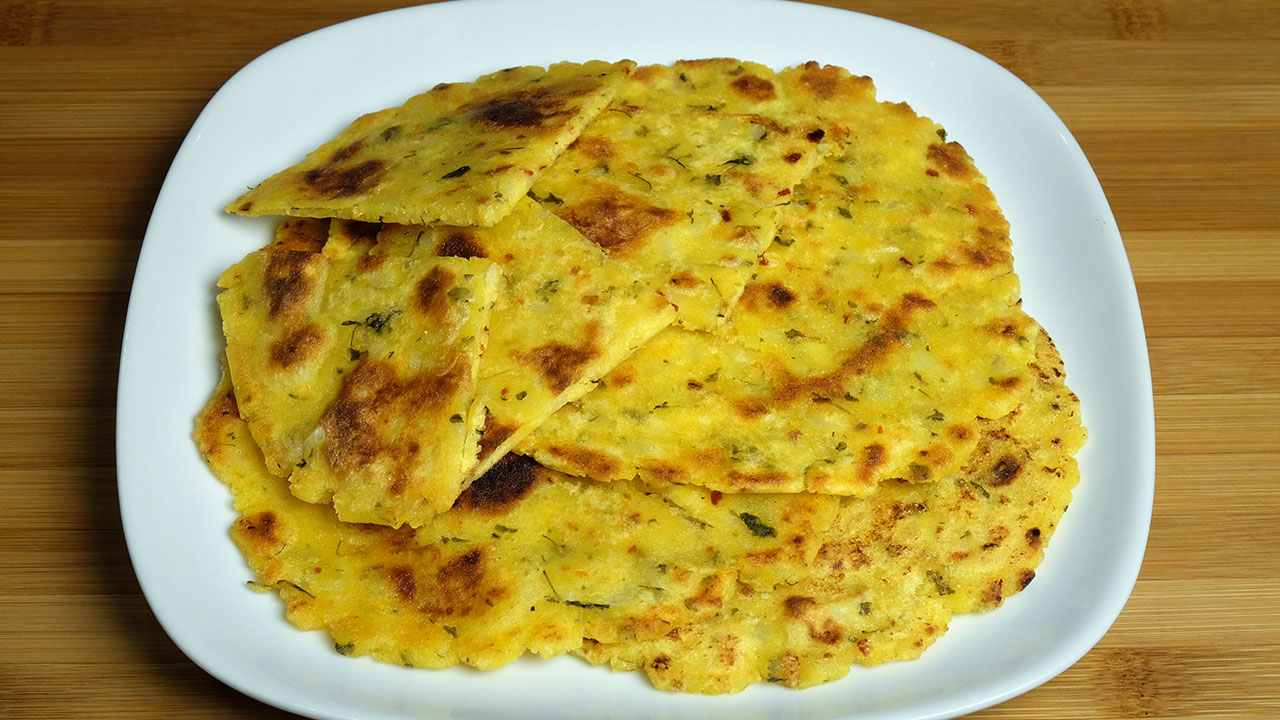
Makki Ki Roti is a popular Punjabi bread made with corn flour and served with Sarson Ka Saag. Maki ki roti is also a Gluten Free flat bread.

This recipe will make 6 rotis, and will serve 3.

Makki Ki Roti Recipe by ManjulaIngredients:

  • 2 cups makki ka atta, corn flour
  • 1 cup potato, boiled peeled and grated
  • 1 teaspoon salt
  • 1 teaspoon chili flakes
  • 2 tablespoons dry fenugreek leaves, kasuri mathi
  • 1/8 teaspoon asafetida, hing
  • ΒΎ cup warm water
  • 3 tablespoons of ghee or clarified butter for cooking roties

We also need a plastic sheet about 8” x 12” to roll the roties I am using a zip lock bag.

Method

  1. Combine all the dry ingredients in a bowl, corn flour, salt chili flakes, fenugreek leaves, and asafetida mix it well. Add potato to the mixture and mix. This will become very crumbly. Add water as needed to make the firm dough. Knead the dough for a minute. For makki ki roti make the dough when ready to make roti.
  2. Note: Makki ki roti is little hard to roll that is the reason I decided to use potatoes. Potatoes help to binding the dough.
  3. Divide the dough in 6 equal parts. Make them in smooth balls.
  4. Take one ball press it between the plastic sheet plastic sheet help rolling the roti, roll the roti into about 6-inch circle. Note: may be the edges will not be as clean like other roties.
  5. Heat the skillet over medium heat. Skillet should not be very hot. Otherwise roties will not cook through.
  6. Place the roti in the skillet. As it cooks, the dough will change color and have a dryer look. Turn the roti over using a spatula. You should see golden-brown spots on the semi-cooked side.
  7. After few seconds, spread 1 teaspoon ghee onto the roti using a spatula. Turn the roti over. Using your spatula, lightly press the entire surface of the roti to help it cook all the way through. Put the ghee on both sides of the roti while cooking. Grill the roti from both sides making sure it is golden-brown on both sides.Β  Remove from heat.
  8. Repeat with the remaining dough, until they are all done.

Serve them hot. Makki ki roti traditionally served with sarson ka saag or dal makhani. If you are vegan use the oil for cooking the roties.

Originally posted 2016-06-16 23:30:35.

The post Makki Ki Roti – Paratha appeared first on Manjula's Kitchen.
Tawa Naan (Without Tandoor)

22 January 2023 at 05:28
Tawa Naan (Without Tandoor)
Print

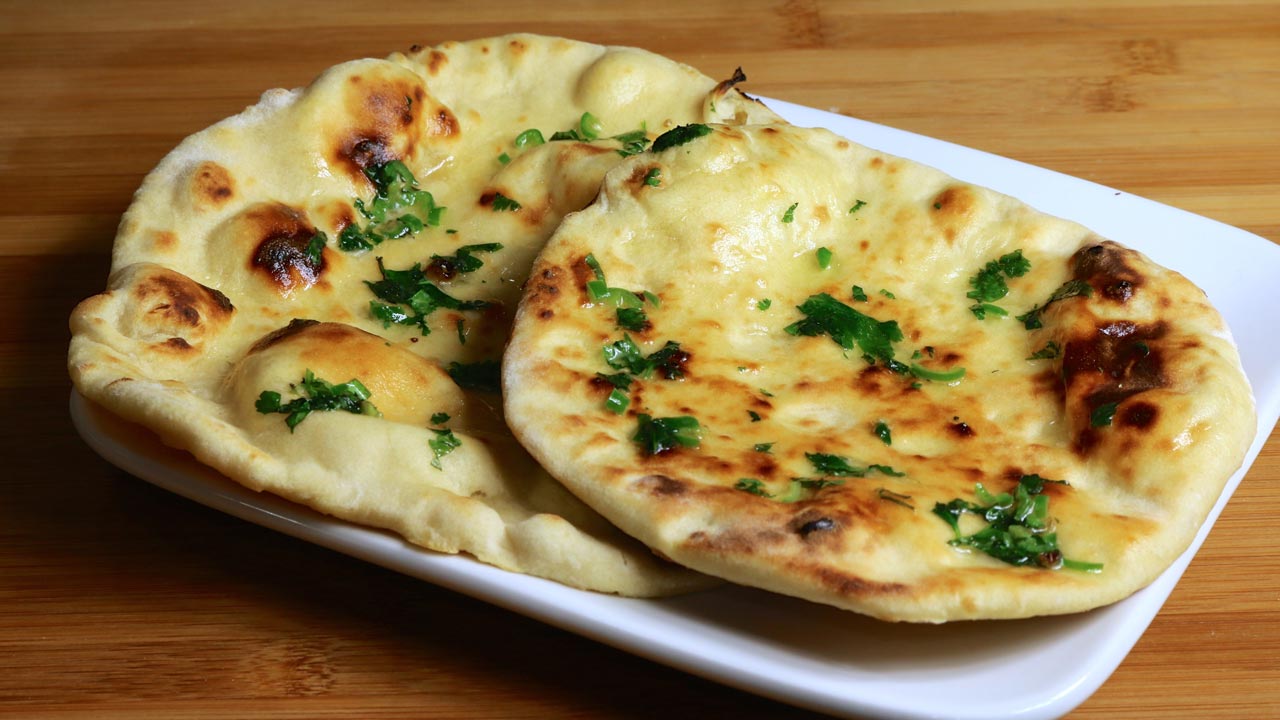
Tawa Naan, Naan Without Tandoor

Naan is definitely the most popular bread in Indian restaurants. Traditionally, naan is cooked in a tandoor (hot clay oven). I have already done a naan recipe using the oven and I used pizza stone to give a tandoor texture. But I find at home "tawa naan" is much easier to make. Tawa Naan turns out really soft and it tastes great. It's hassle free because you don't need a tandoor or oven. Naan Goes well with chole, palak paneer or any gravy based dish.
Course Main Course
Cuisine Indian
Prep Time 10 minutes
Cook Time 10 minutes
Total Time 20 minutes
Servings 2 people

Ingredients

  • 1 cup all-purpose flour plain flour, Maida
  • 1/4 tsp baking soda
  • 1/4 tsp salt
  • 1/4 tsp sugar
  • 1/4 cup yogurt room temperature
  • 1-1/2 tsp oil canola, vegetable
  • 1/4 cup look warm water use as needed

Garnishing

  • 1 tbsp clear butter or ghee
  • 1 tbsp chopped cilantro
  • 1 tbsp green chili finely chopped
  • 1/4 tsp sea salt

Instructions

  • We also need tawa or skillet to make naan, nonstick skillet will not work for this recipe. Iron tawa or skiller works the best for making Tawa Naan.

Making Naan

  • For garnishing mix all the ingredients, butter, salt, cilantro, and green chili Set aside.
  • Mix the dry ingredients together, add 1 tablespoon of oil and yogurt mix it well. Then add the water gradually to make very soft dough but not sticky. Knead the dough on a lightly floured surface, knead the dough well. Apply light oil to the dough and cover. Let the dough sit for about 3 hours in warm place.
  • Dough should be about 1-1/2 time, knead the dough again on floured surface. Divide the dough in four parts, lightly roll into the flour, cover the balls and let it sit for about five minutes before rolling.
  • Roll the naan one at a time on a lightly floured surface little less than 1/4 inch thick. Sprinkle the water lightly on one side of the naan.
  • Heat the tawa on medium heat, to check if tawa is ready sprinkle the few drops of water on tawa, water should sizzle.
  • Put water side naan over tawa, once the naan start bubbling and dough start drying, turn the tawa over flames keeping about 2 inch away from the flames to cook the naan from top. Note: yes naan will stick to tawa and will not fall of, this the reason you cannot use the nonstick skillet.
  • Once naan browned to your satisfaction, remove, and spread the butter mix over. Place in a on a plate and cover with a cloth to keep warm until serving. Naan is ready!

Notes

Serving Suggestion
Taste best with Punjabi Chole or Palak Paneer
Β 

Originally posted 2015-04-02 00:24:35.

The post Tawa Naan (Without Tandoor) appeared first on Manjula's Kitchen.
❌
❌